context-office-marks-tey-colchester-site-study-clay-brickworks-1
context-office-marks-tey-colchester-site-study-clay-brickworks-2
context-office-marks-tey-colchester-site-study-clay-brickworks-3
context-office-marks-tey-colchester-site-study-clay-brickworks-4
context-office-marks-tey-colchester-site-study-clay-brickworks-5
context-office-marks-tey-colchester-site-study-clay-brickworks-6
marks-tey-colchester-ninagerada-cazhildebrand-7
marks-tey-colchester-ninagerada-cazhildebrand-8
marks-tey-colchester-site-study-clay-brickworks-9
context-office-marks-tey-colchester-site-study-clay-brickworks-10
context-office-marks-tey-colchester-site-study-clay-brickworks-11
context-office-marks-tey-colchester-site-study-clay-brickworks-12
context-office-marks-tey-colchester-site-study-clay-brickworks-13
context-office-marks-tey-colchester-site-study-clay-brickworks-14
context-office-marks-tey-colchester-site-study-clay-brickworks-15
context-office-marks-tey-colchester-site-study-clay-brickworks-16
context-office-marks-tey-colchester-site-study-clay-brickworks-17
Marks Tey landscape research

Context Office worked on a study of the man-made and natural landscape at Marks Tey, Essex. We collaborated with artists Caz Hildebrand and Nina Gerada to investigate the relationships between clay, nature and industry, man, materials and time, producing a visual portrait of place.

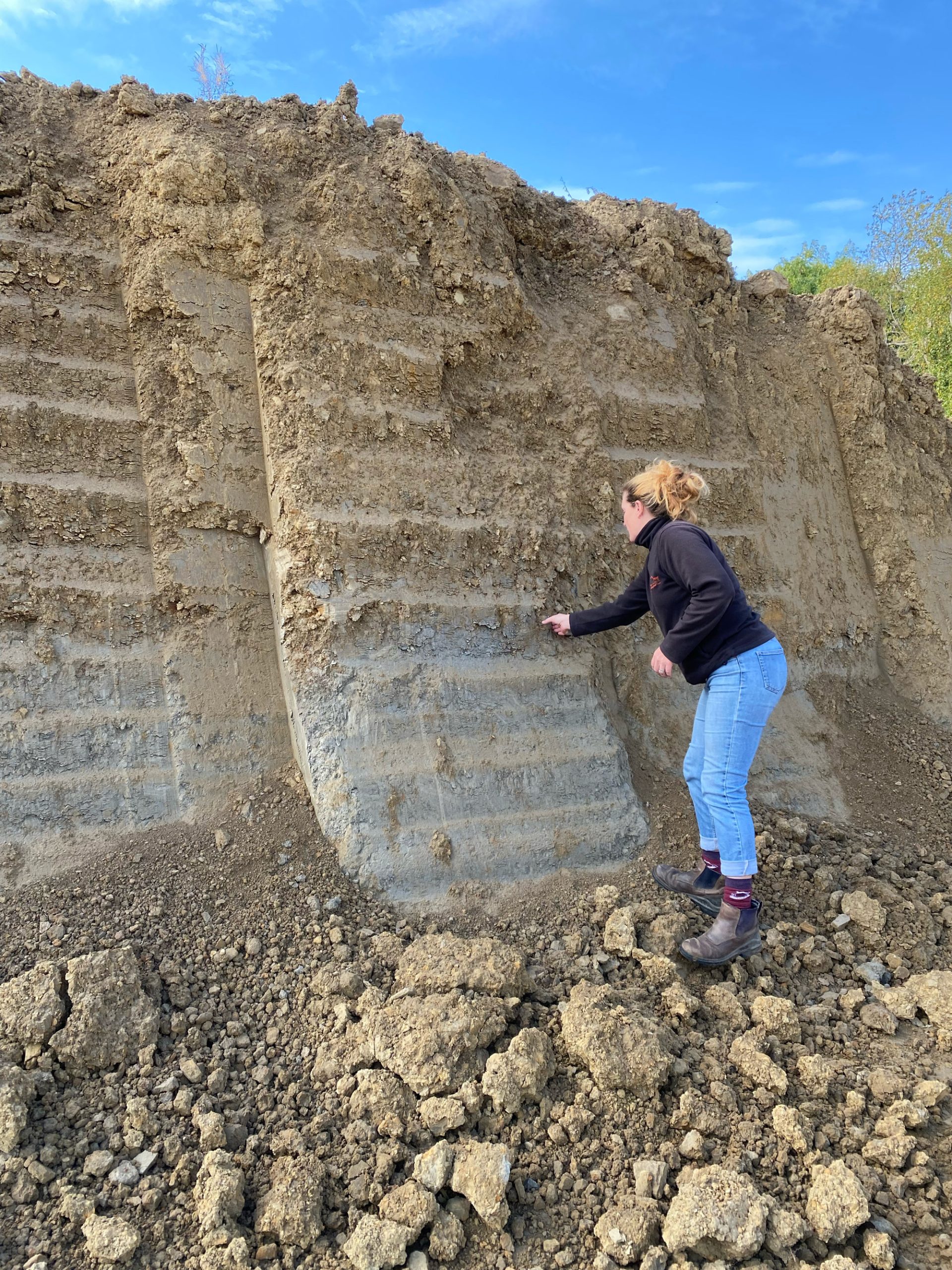
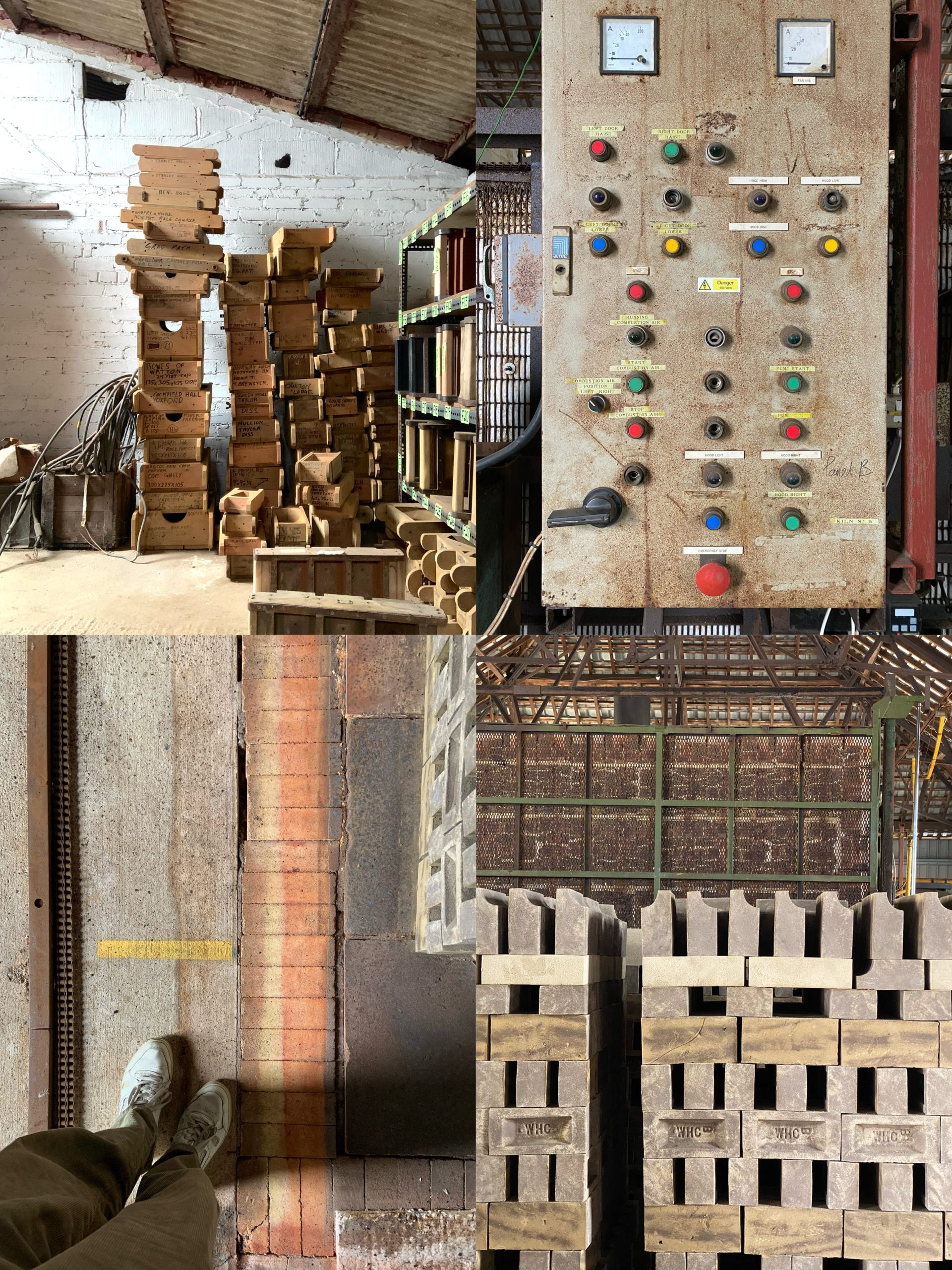
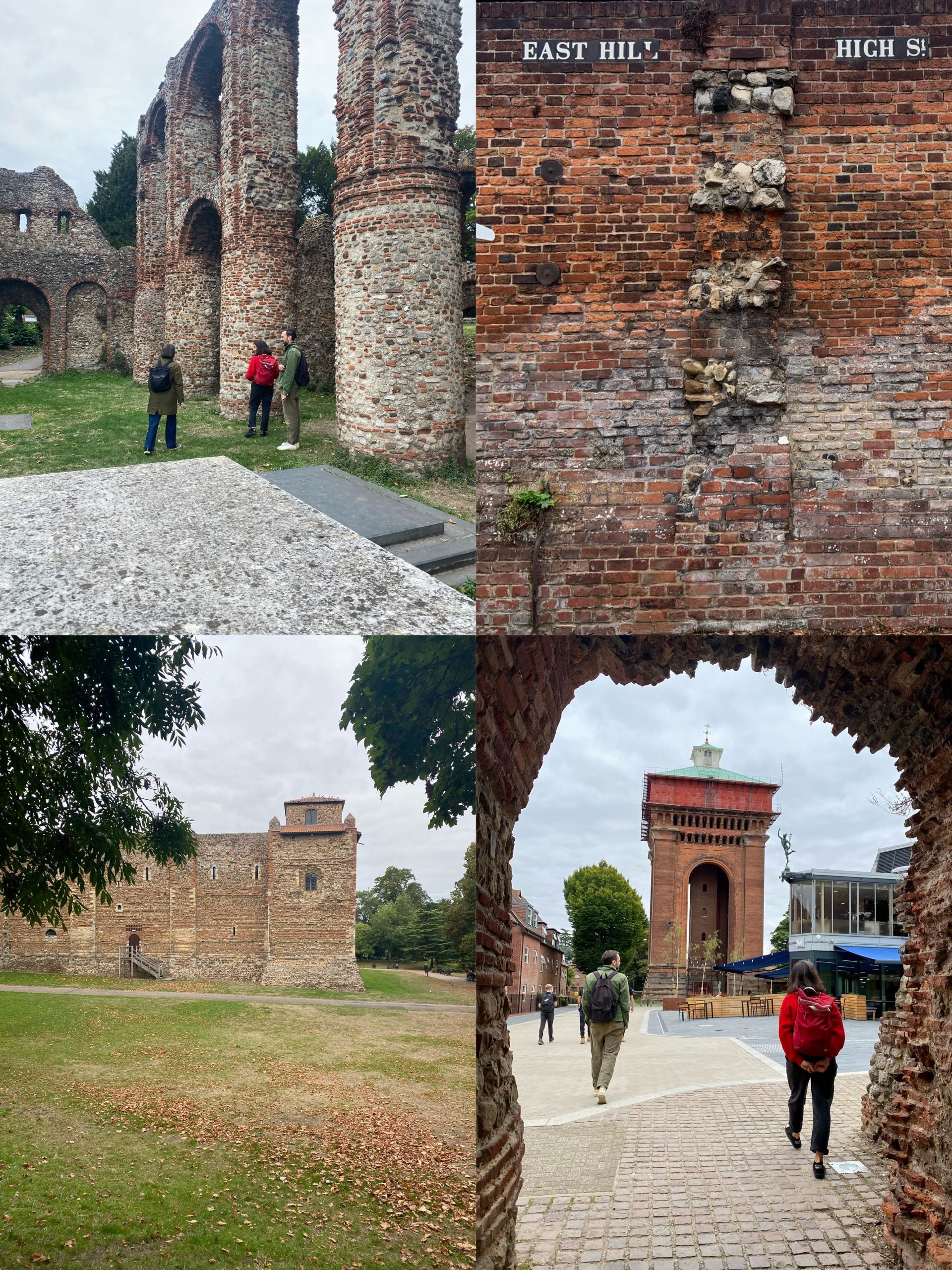
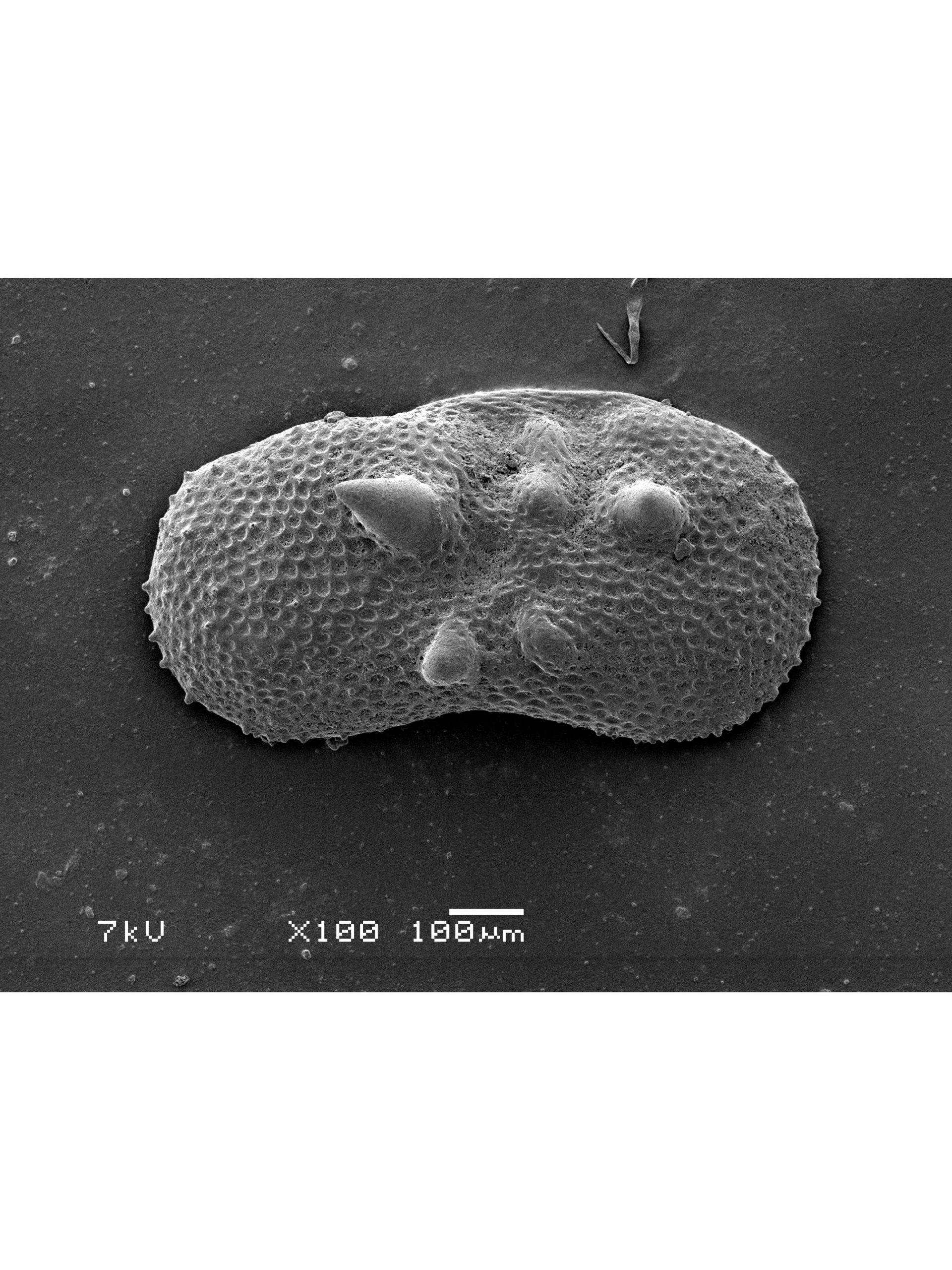
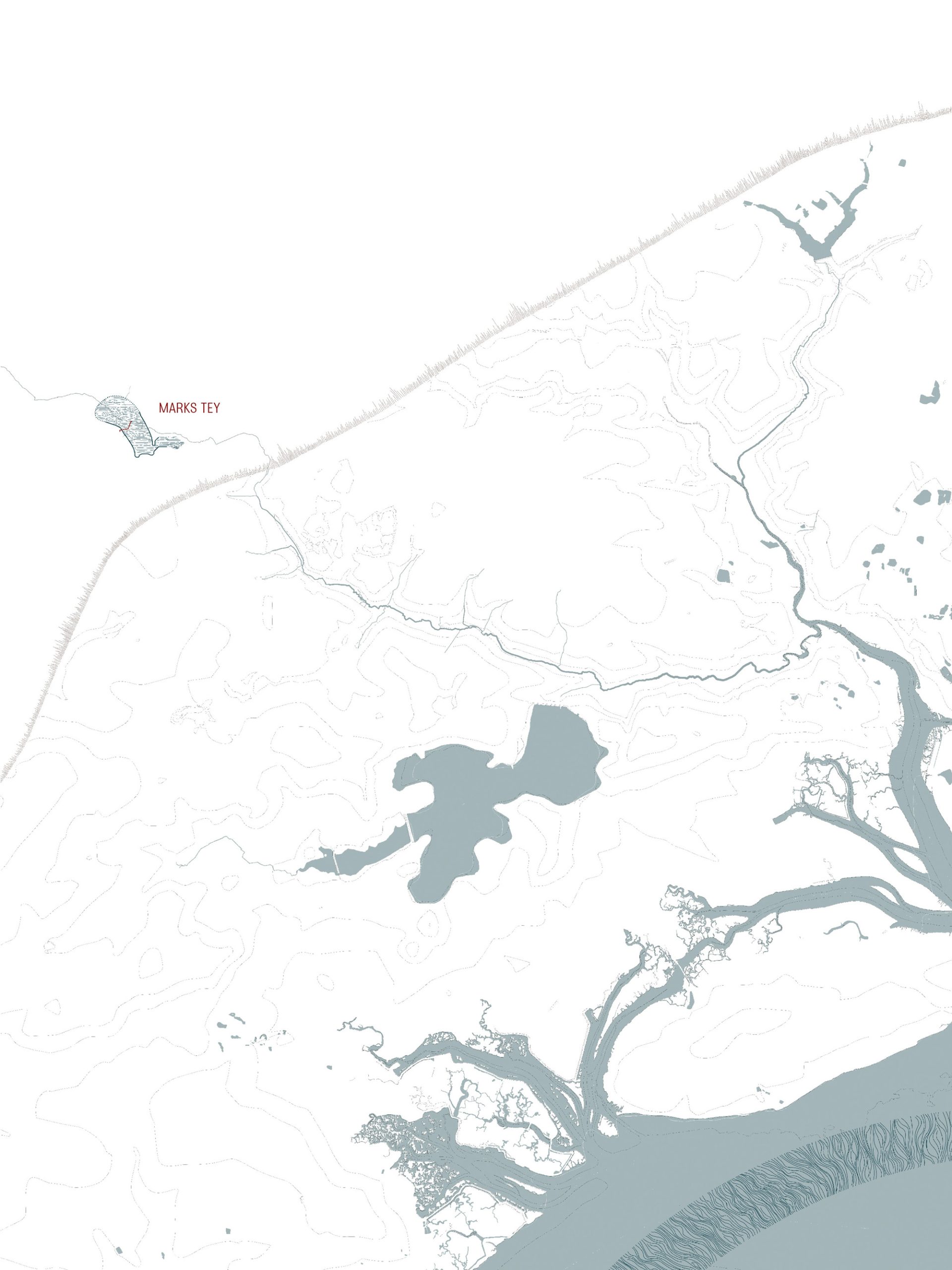
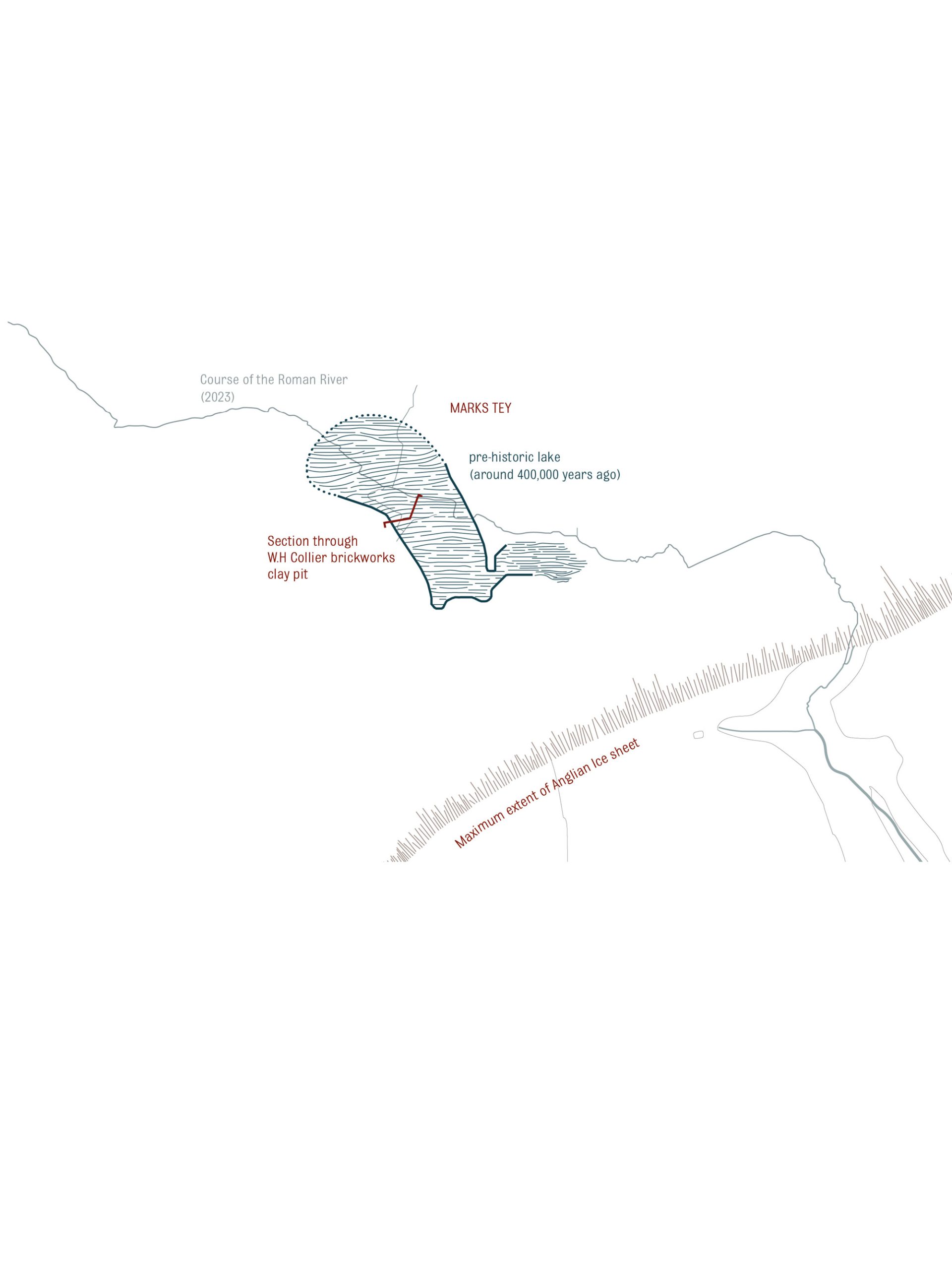
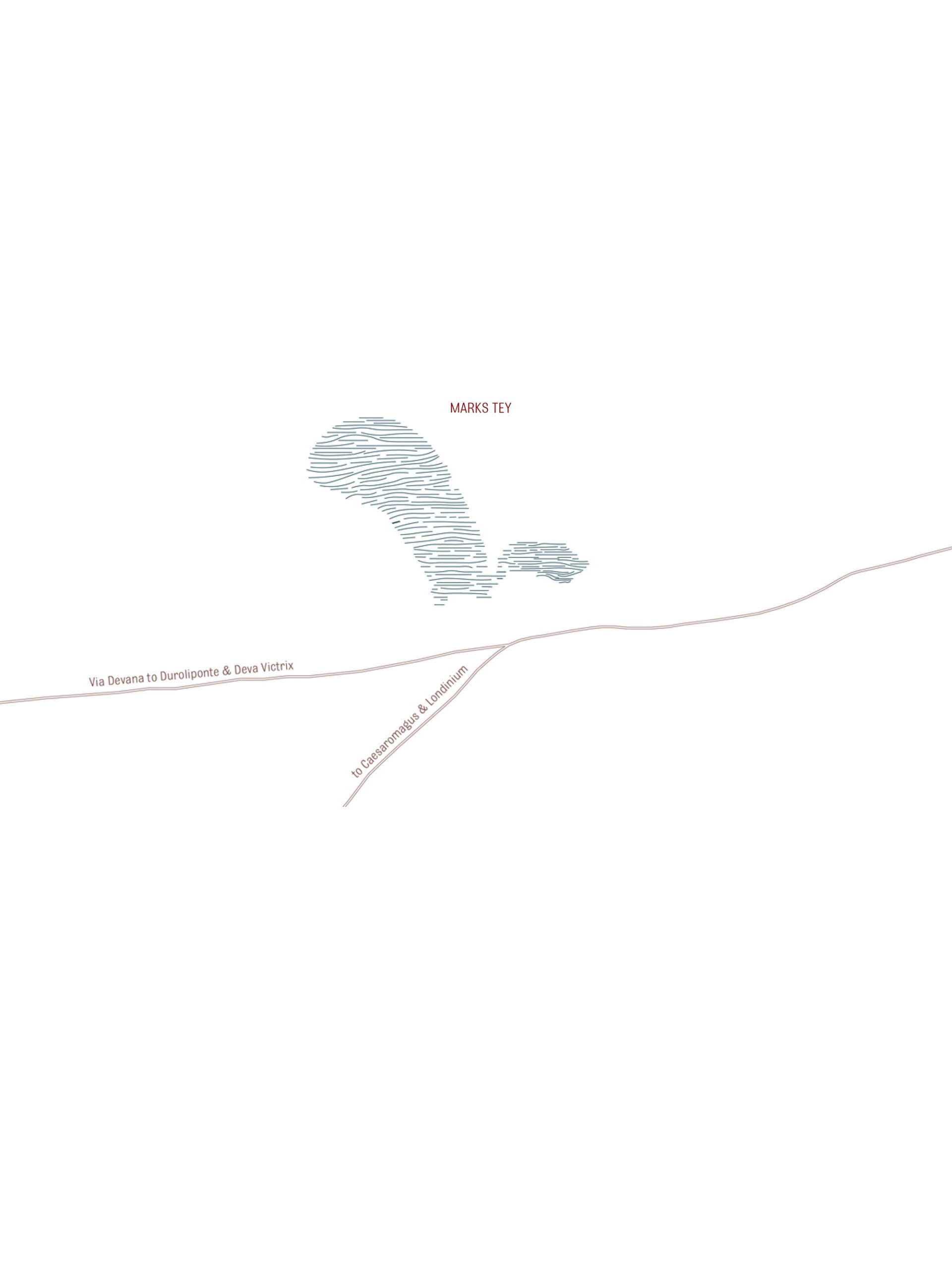
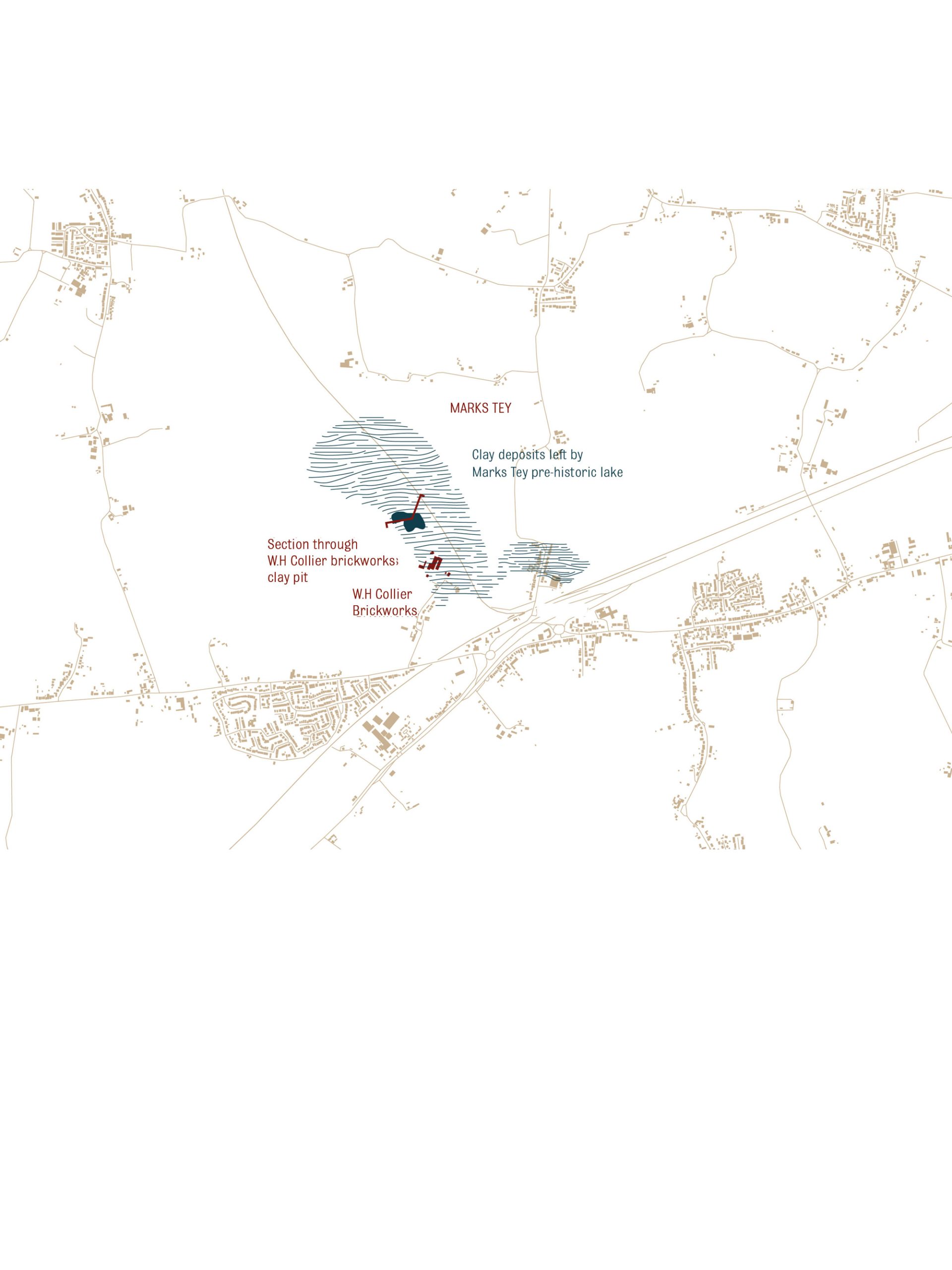
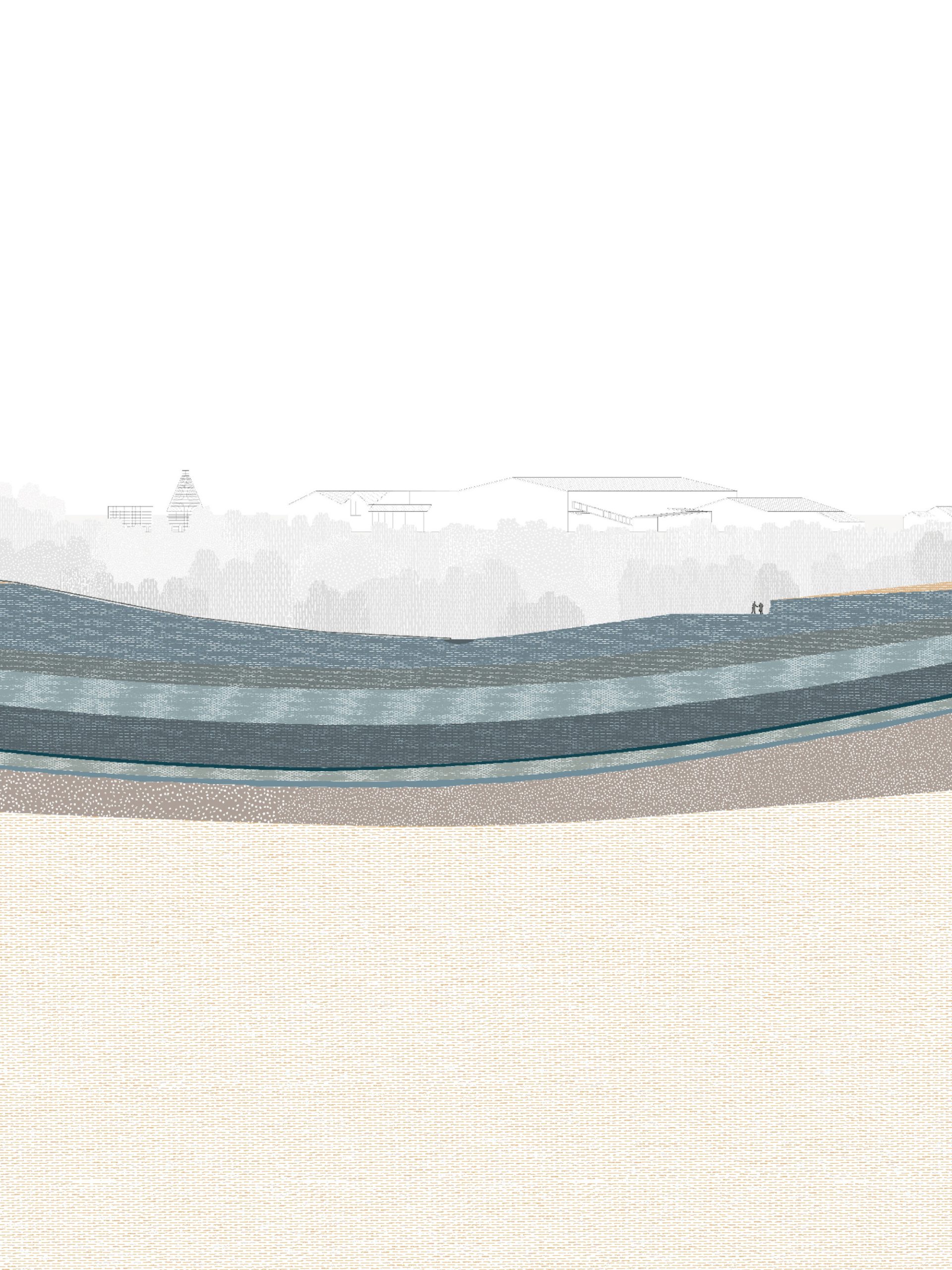
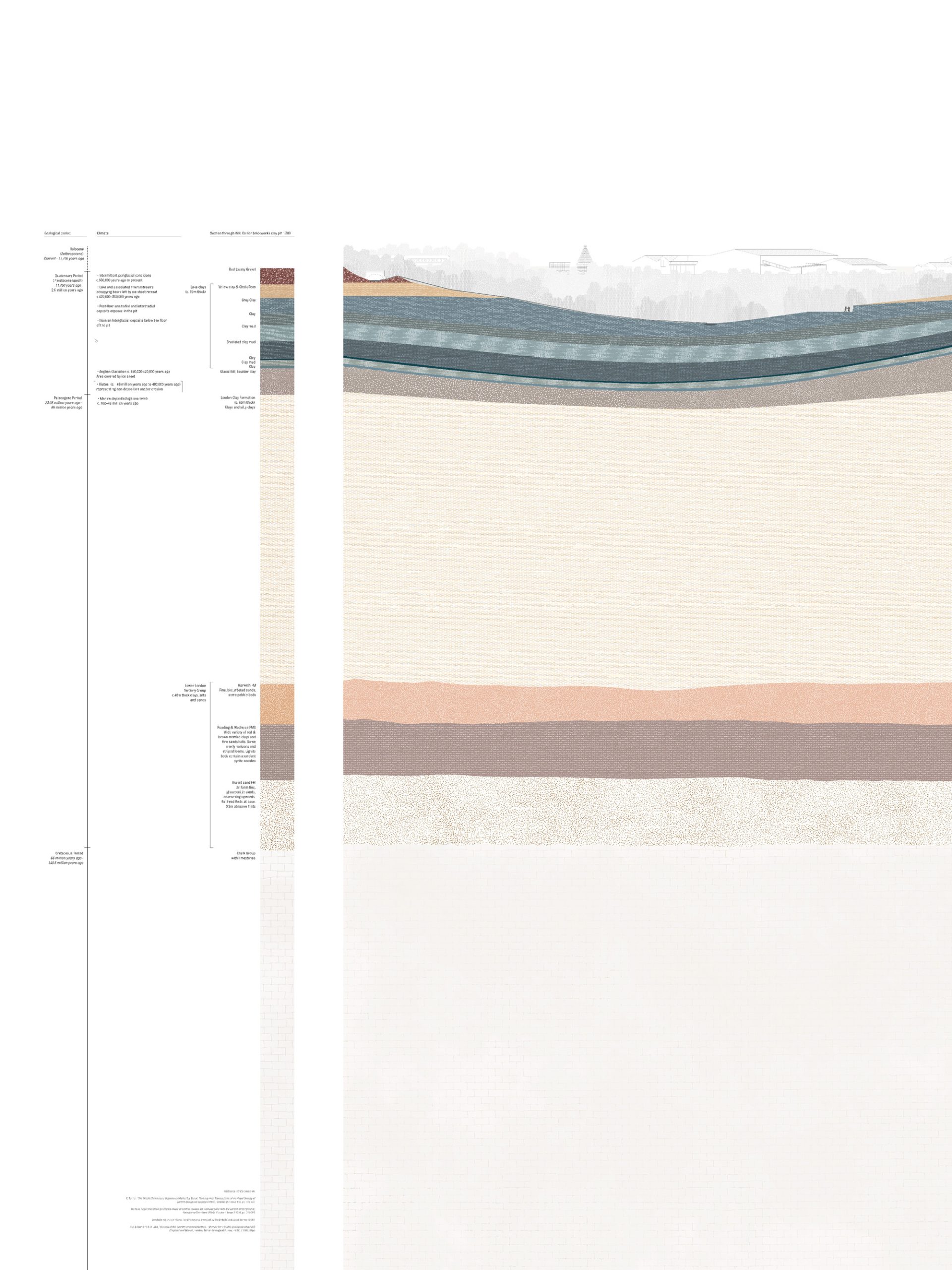
Marks Tey is a living landscape of manufacture and industrial heritage, home to W.H.Collier since 1863, making handmade bricks using material extracted on-site. Marks Tey is also a Site of Special Scientific Interest. The clay used to this day is in fact melt-lake sediment from the last ice-age, laid down as the Anglian icesheet retreated. Micropalaeontologist Professor David Horne generously engaged with our project. Pre-historic sediments record tiny ostracod, pollen and vegetation fossils, showing how the climate has changed over time. Additionally, the clay preserves archaelogocial evidence of the earliest human inhabitation of England. Remarkably, all these layers of deep history have been revealed by industrial extraction. This part of Essex is also likely the first place in Britain where brick buildings were constructed, close by at Roman Camulodunum, now Colchester. Roman bricks still stand in the city, part of the continuum of construction through the castle, the medieval priory and Georgian town, to the Victorian era and the buildings of the 21st Century.

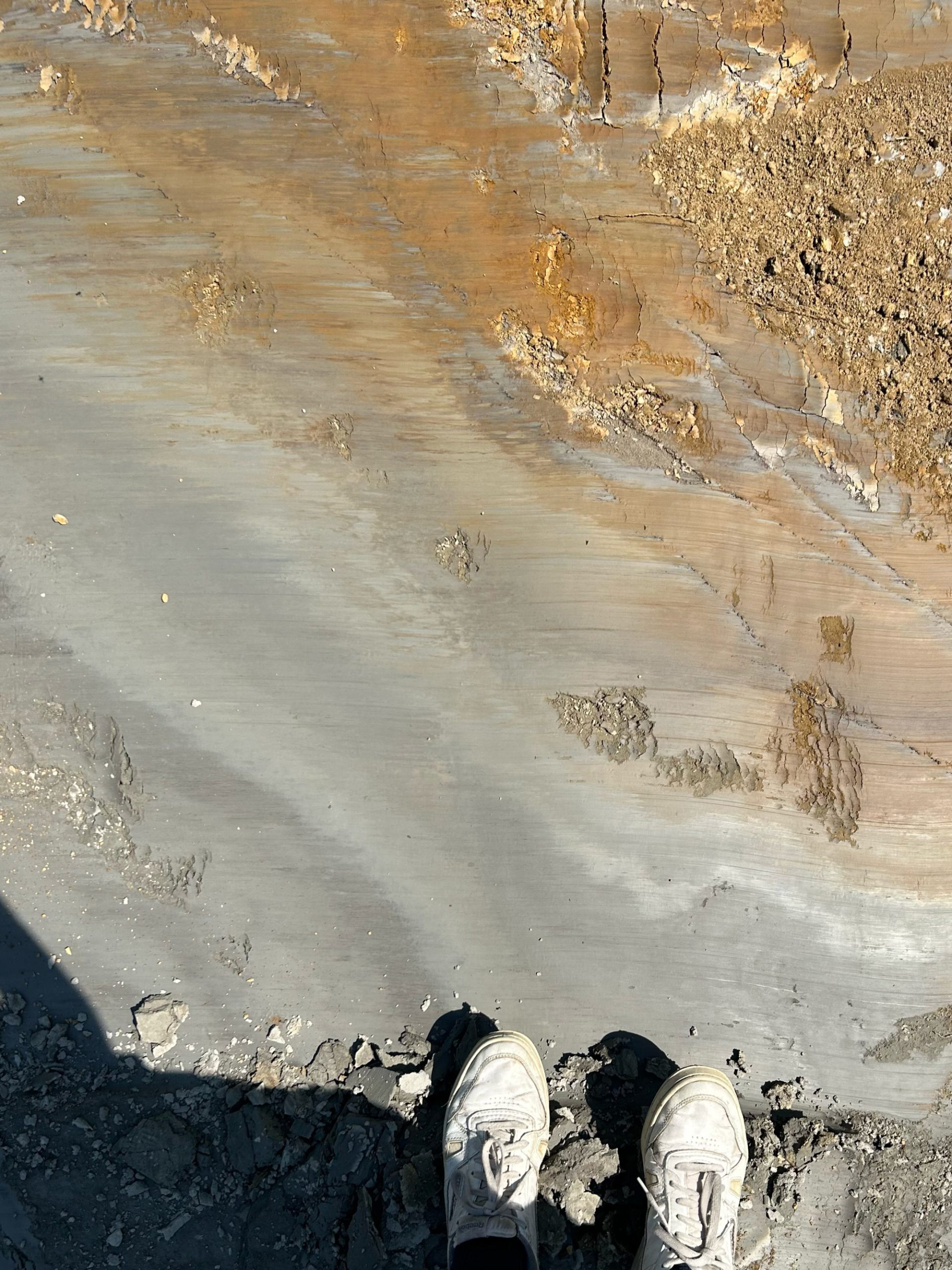
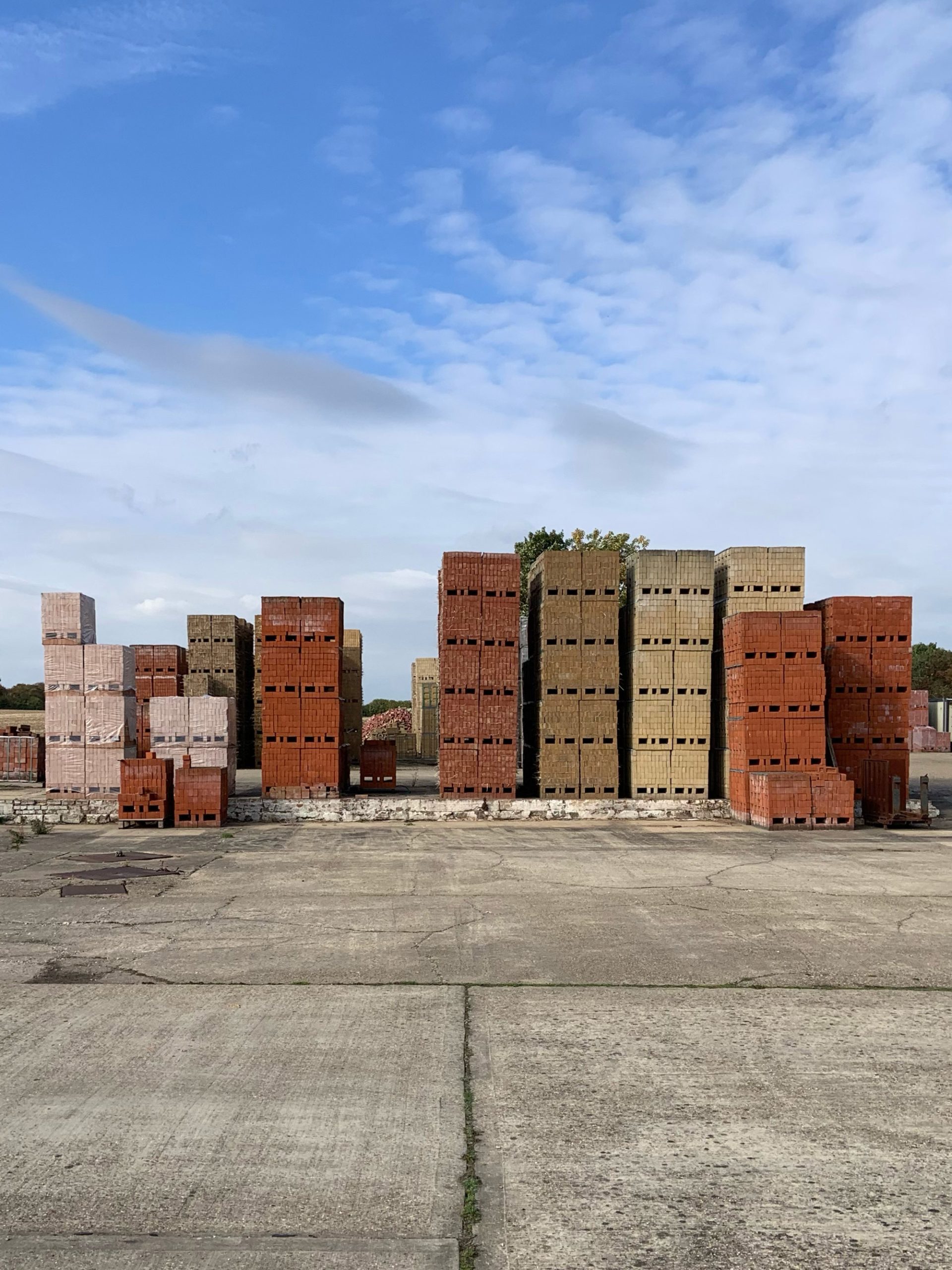
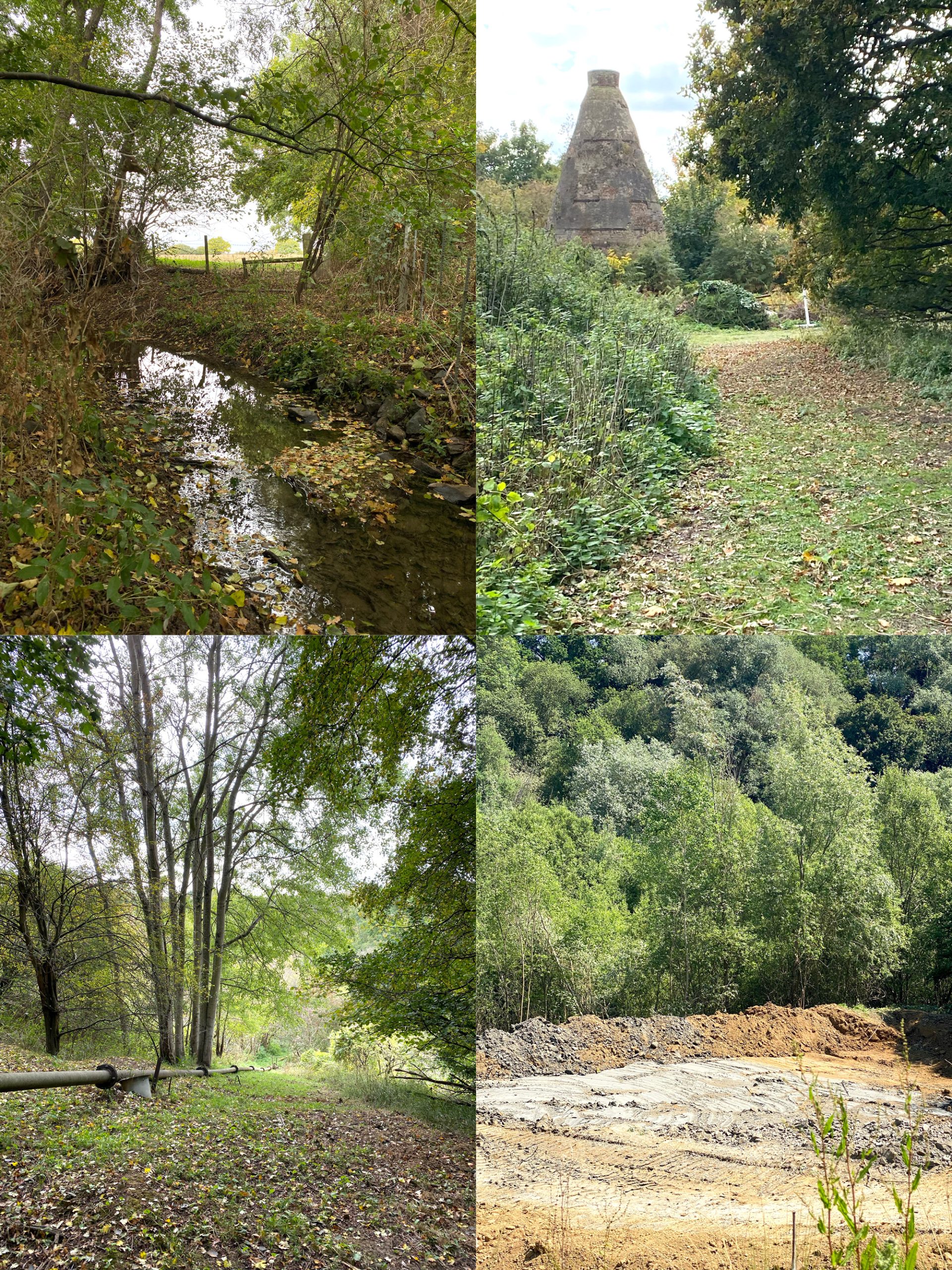
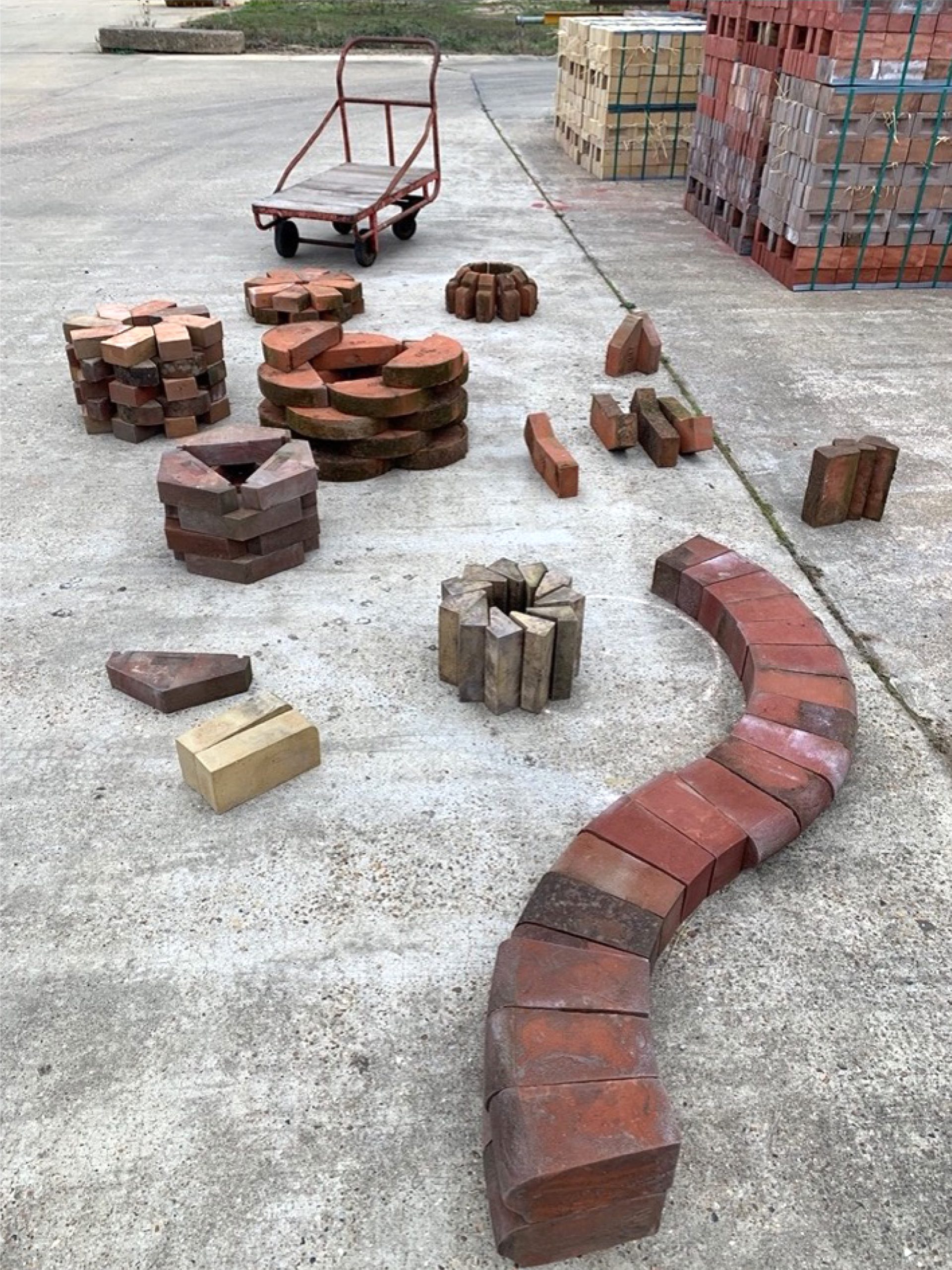
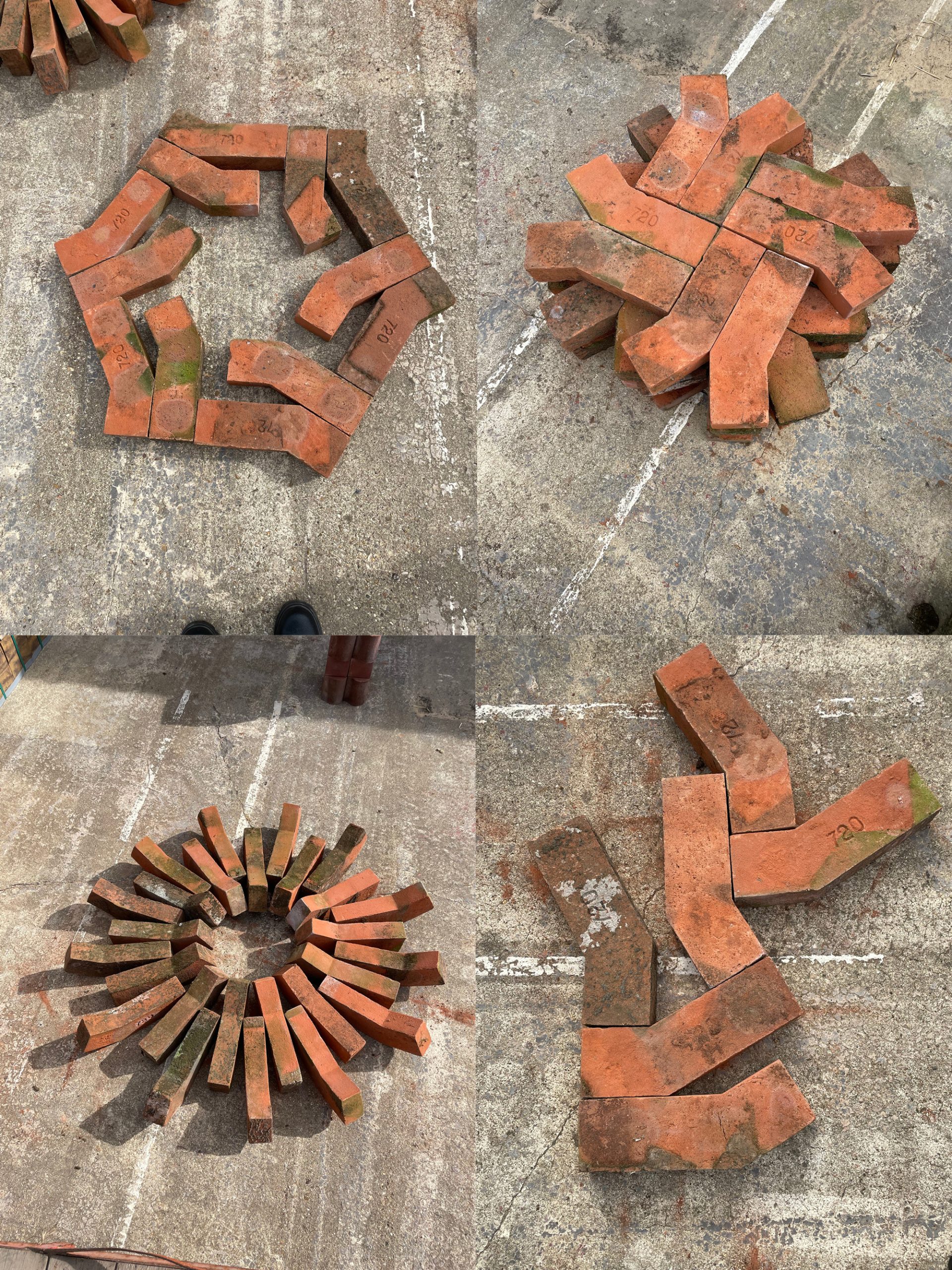
We immersed ourselves in this extraordinary story, learning about the natural history and geography. Caz and Nina used the clay directly in their art, forming sculptural patterns using ‘brick specials’ and creating ceramic pieces inspired by ostracod fossils. Through photography, Context Office recorded the ever-changing managed landscape where nature and extraction are in dialogue, the abandoned and working factory spaces, the people and tools involved, the colours of the earth and fired clay. We then developed large format exhibition drawings to illustrate and communicate the layers of geological and human time in this extraordinary, everyday place.

1/17
Marks Tey landscape research

Context Office worked on a study of the man-made and natural landscape at Marks Tey, Essex. We collaborated with artists Caz Hildebrand and Nina Gerada to investigate the relationships between clay, nature and industry, man, materials and time, producing a visual portrait of place.

Marks Tey is a living landscape of manufacture and industrial heritage, home to W.H.Collier since 1863, making handmade bricks using material extracted on-site. Marks Tey is also a Site of Special Scientific Interest. The clay used to this day is in fact melt-lake sediment from the last ice-age, laid down as the Anglian icesheet retreated. Micropalaeontologist Professor David Horne generously engaged with our project. Pre-historic sediments record tiny ostracod, pollen and vegetation fossils, showing how the climate has changed over time. Additionally, the clay preserves archaelogocial evidence of the earliest human inhabitation of England. Remarkably, all these layers of deep history have been revealed by industrial extraction. This part of Essex is also likely the first place in Britain where brick buildings were constructed, close by at Roman Camulodunum, now Colchester. Roman bricks still stand in the city, part of the continuum of construction through the castle, the medieval priory and Georgian town, to the Victorian era and the buildings of the 21st Century.

We immersed ourselves in this extraordinary story, learning about the natural history and geography. Caz and Nina used the clay directly in their art, forming sculptural patterns using ‘brick specials’ and creating ceramic pieces inspired by ostracod fossils. Through photography, Context Office recorded the ever-changing managed landscape where nature and extraction are in dialogue, the abandoned and working factory spaces, the people and tools involved, the colours of the earth and fired clay. We then developed large format exhibition drawings to illustrate and communicate the layers of geological and human time in this extraordinary, everyday place.