context-office-leamouth-peninsula-public-realm-analysis-1
context-office-leamouth-peninsula-public-realm-analysis-2
context-office-leamouth-peninsula-public-realm-analysis-3
context-office-leamouth-peninsula-public-realm-wayfinding-4
context-office-leamouth-peninsula-public-realm-wayfinding-5
context-office-leamouth-peninsula-site-analysis-6
context-office-leamouth-peninsula-urban-analysis-strategy-7
context-office-leamouth-peninsula-urban-analysis-strategy-8
context-office-leamouth-peninsula-urban-analysis-strategy-9
context-office-leamouth-peninsula-urban-analysis-strategy-10
context-office-leamouth-peninsula-wayfinding-strategy_engagement-11
context-office-leamouth-peninsula-wayfinding-strategy_engagement-12
context-office-leamouth-peninsula-wayfinding-strategy-13
context-office-leamouth-peninsula-wayfinding-strategy-14
context-office-leamouth-peninsula-wayfinding-strategy-engagement-15
context-office-leamouth-peninsula-wayfinding-strategy-map-16
context-office-leamouth-peninsula-wayfinding-strategy-map-17
Trinity Buoy Wharf wayfinding

Context Office was commissioned by the Trinity Buoy Wharf Trust to investigate opportunities for improved and imaginative wayfinding along routes through the Leamouth Peninsula to Trinity Buoy Wharf.

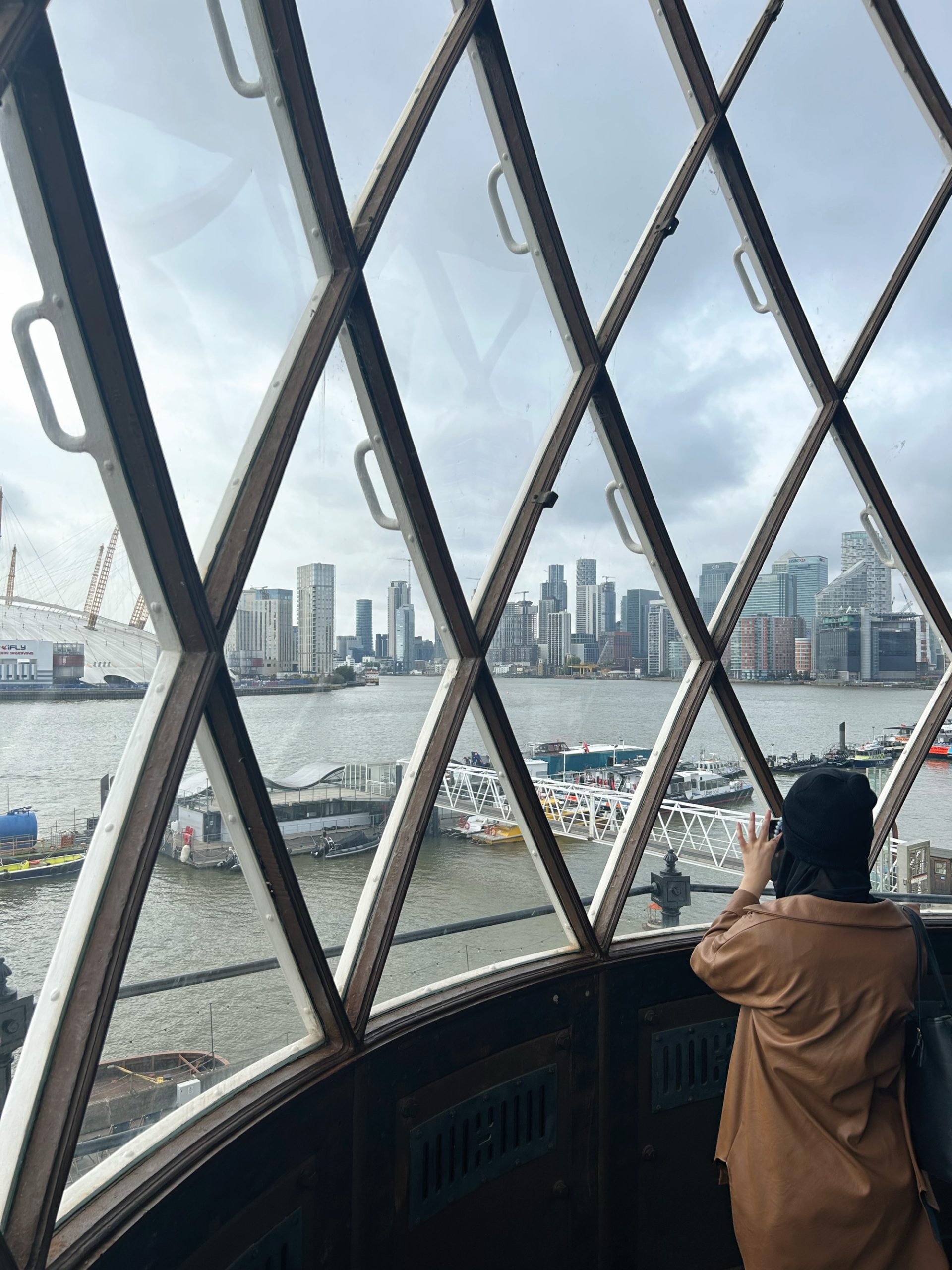
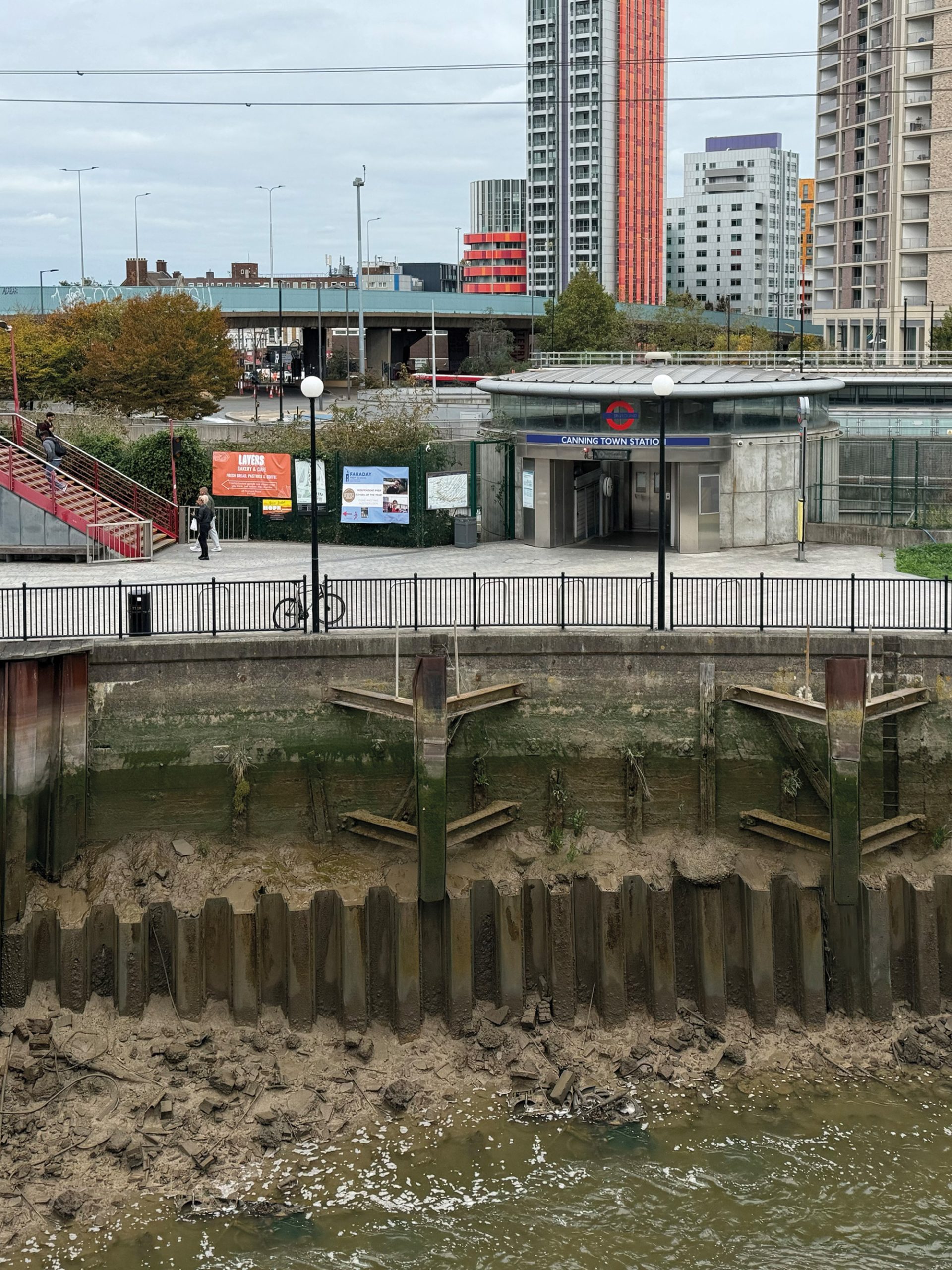
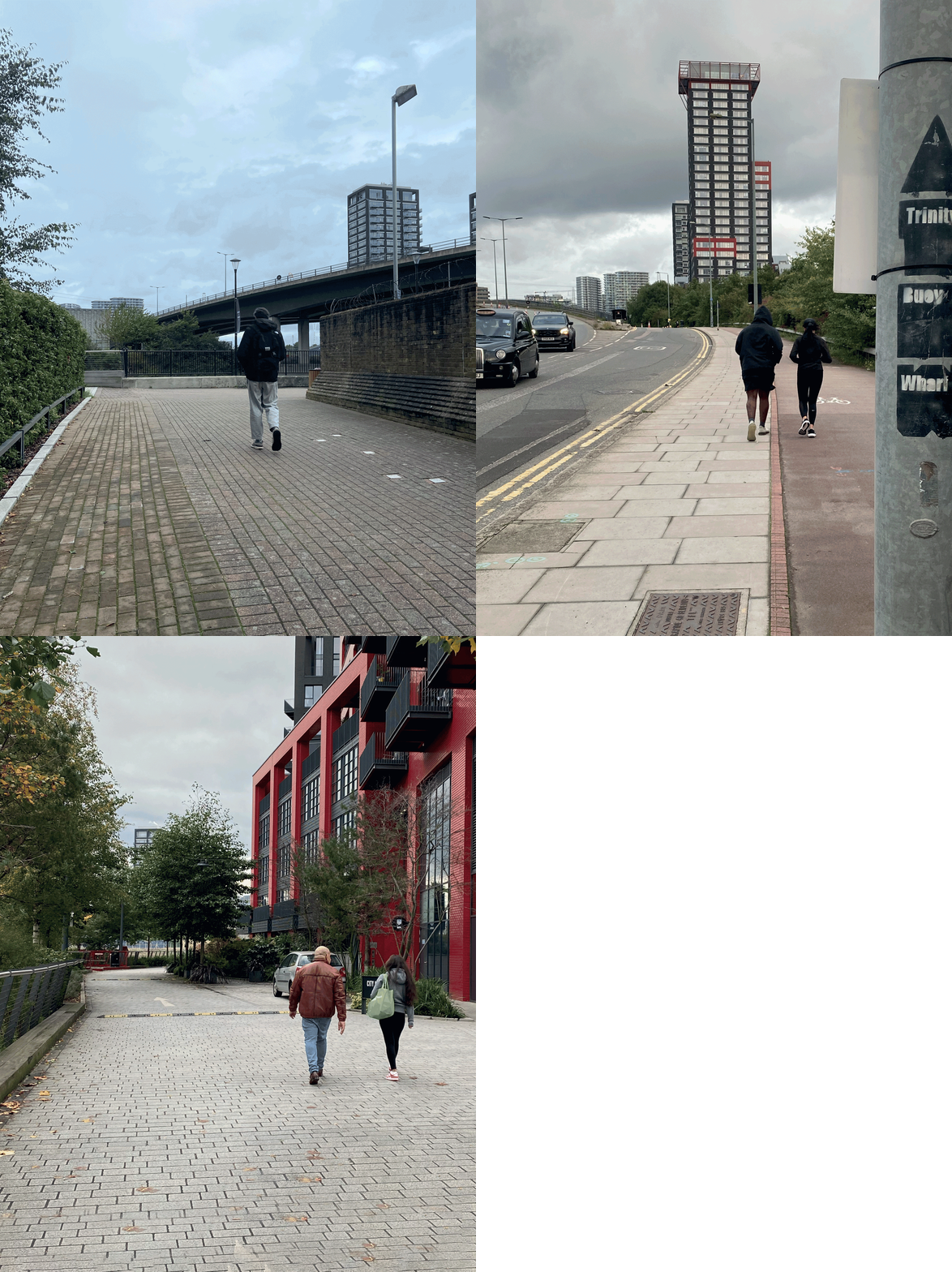
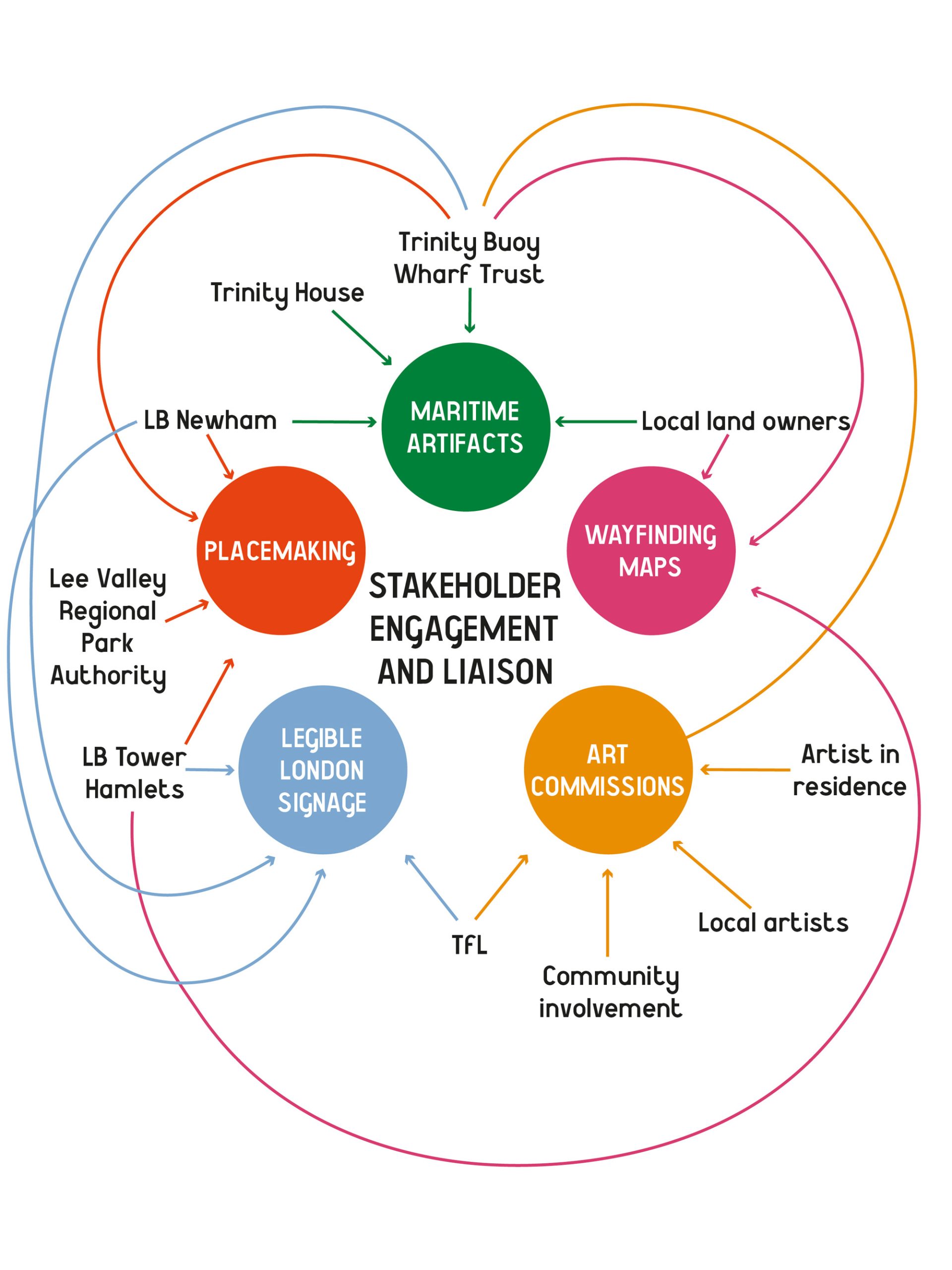
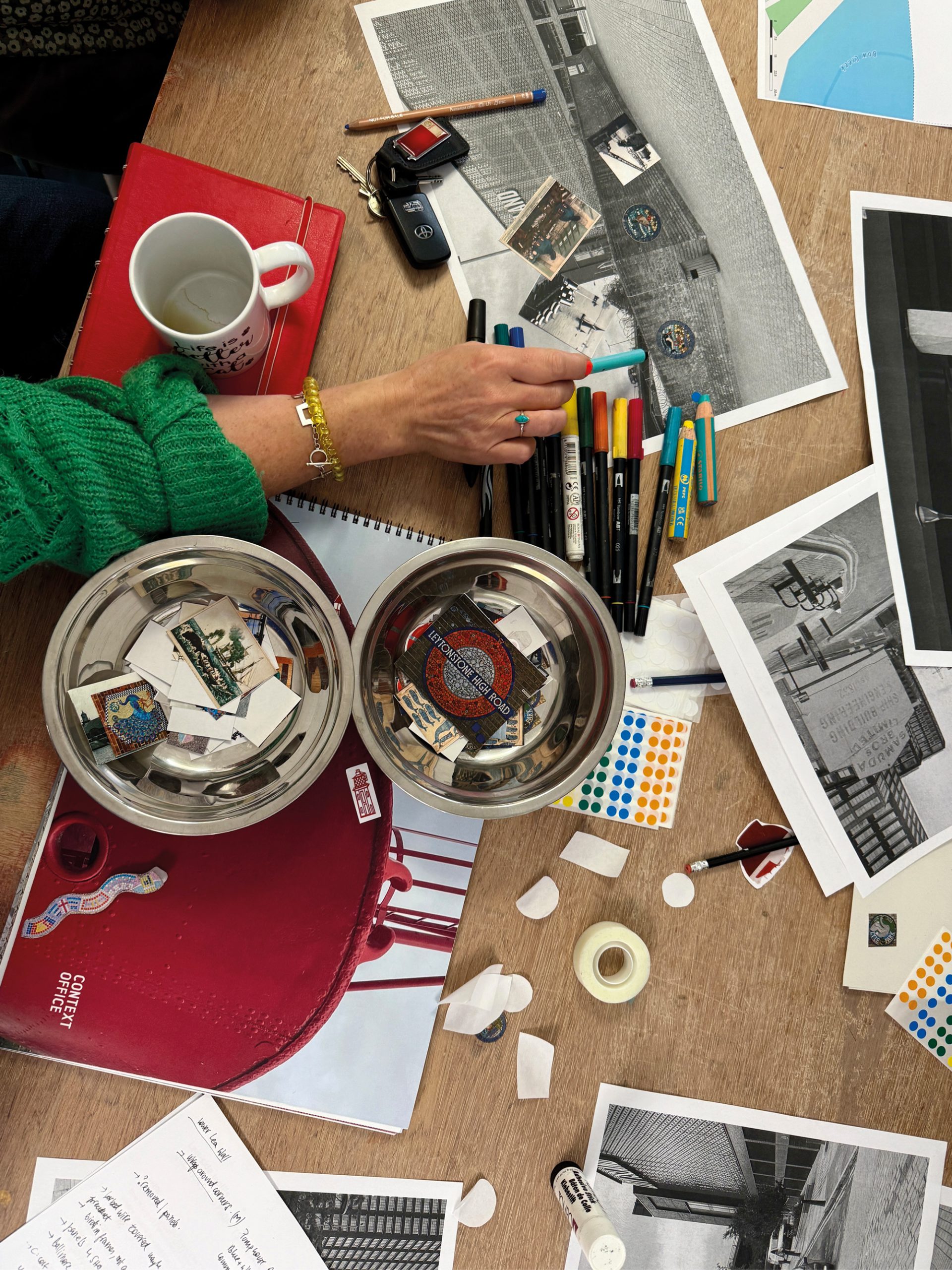
The area’s extensive development over recent years has impacted wayfinding and led to disjointed island sites and outdated signage, making it hard for visitors to find this vibrant creative arts hub. As part of the project, we engaged with stakeholders and neighbours including land owners, development teams, Transport for London, LB Tower Hamlets, LB Newham and local artists, to build partnerships and identify wayfinding and placemaking improvements that would be coherent and beneficial to the area as a whole.

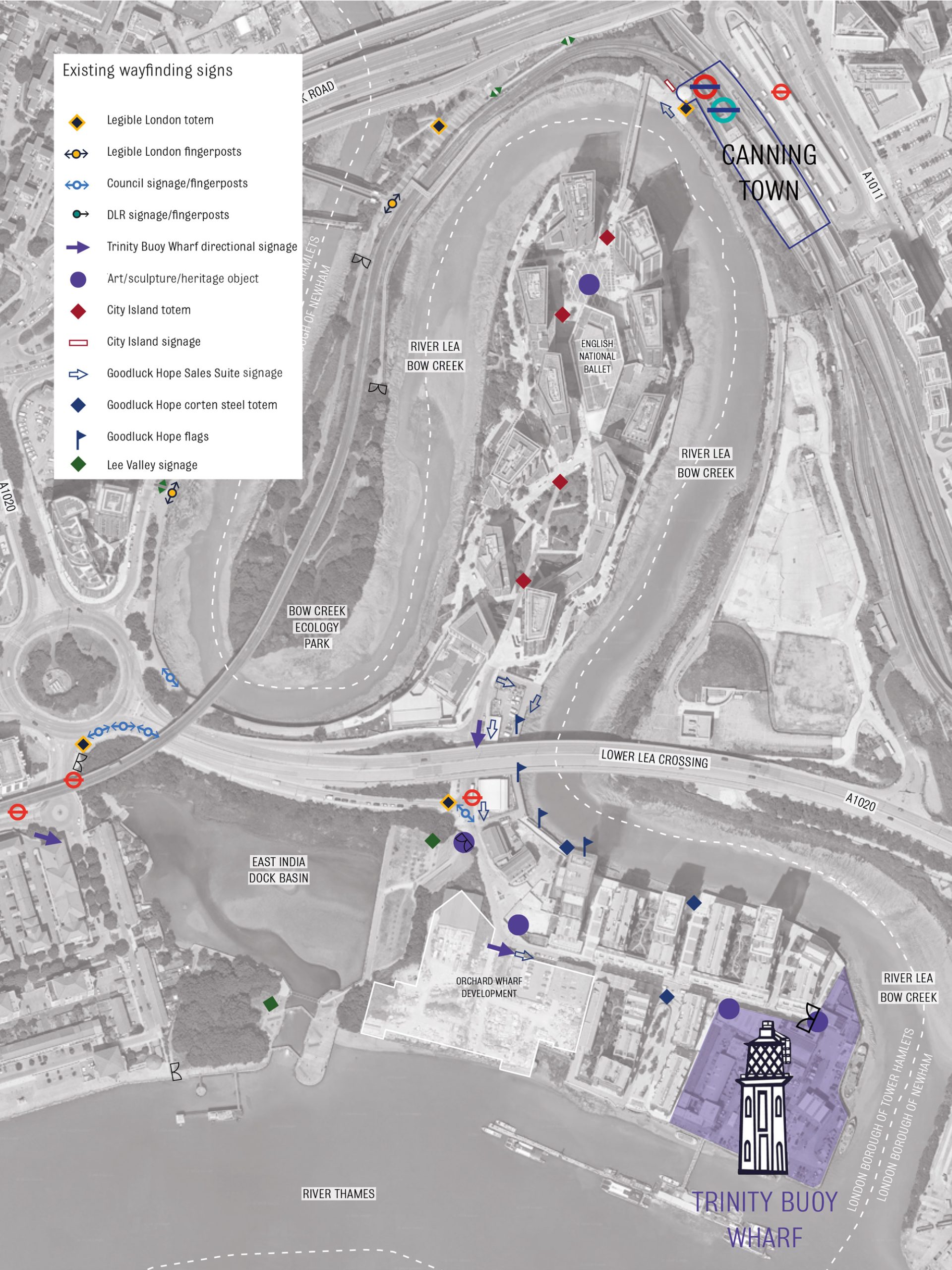
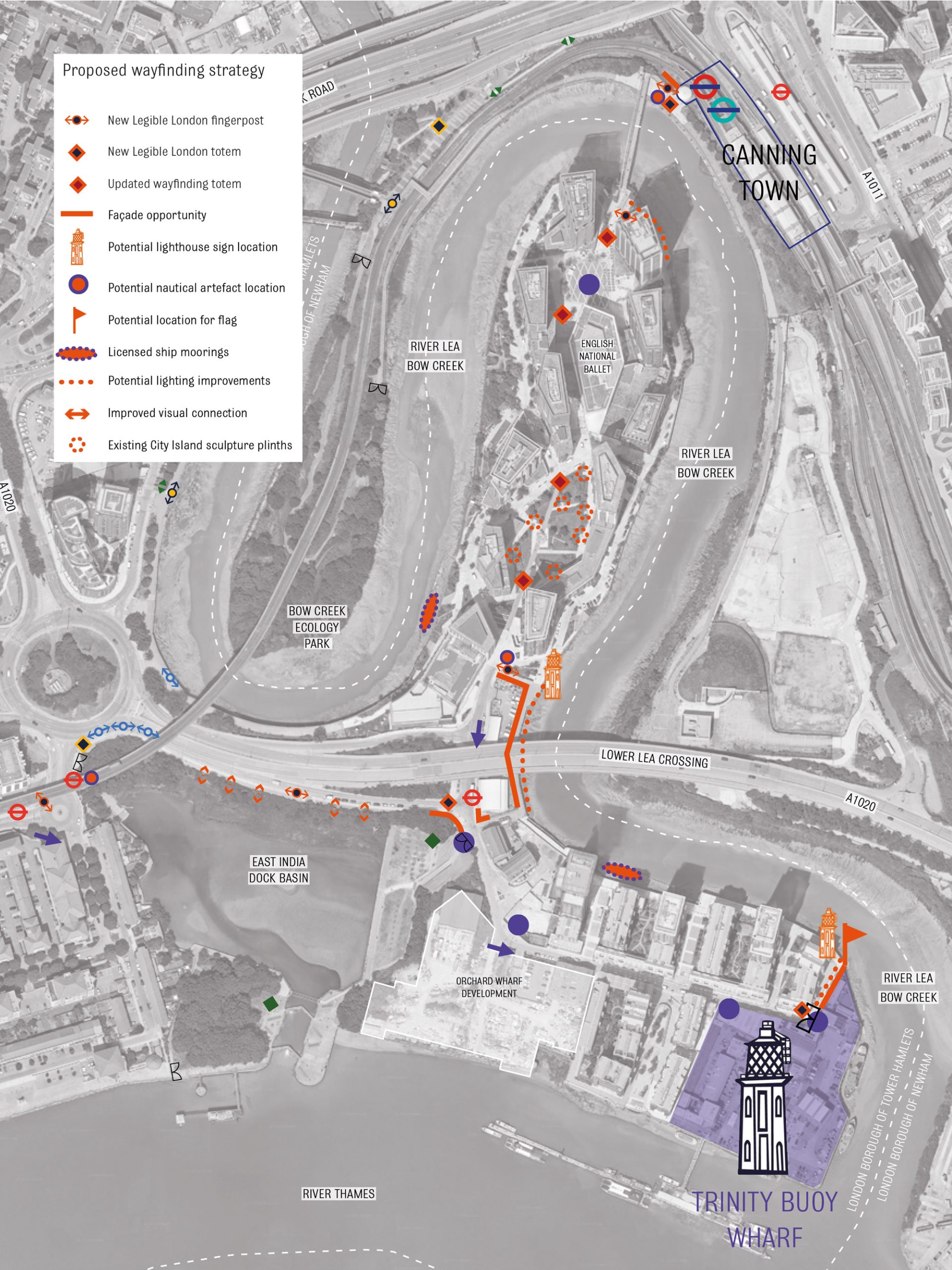
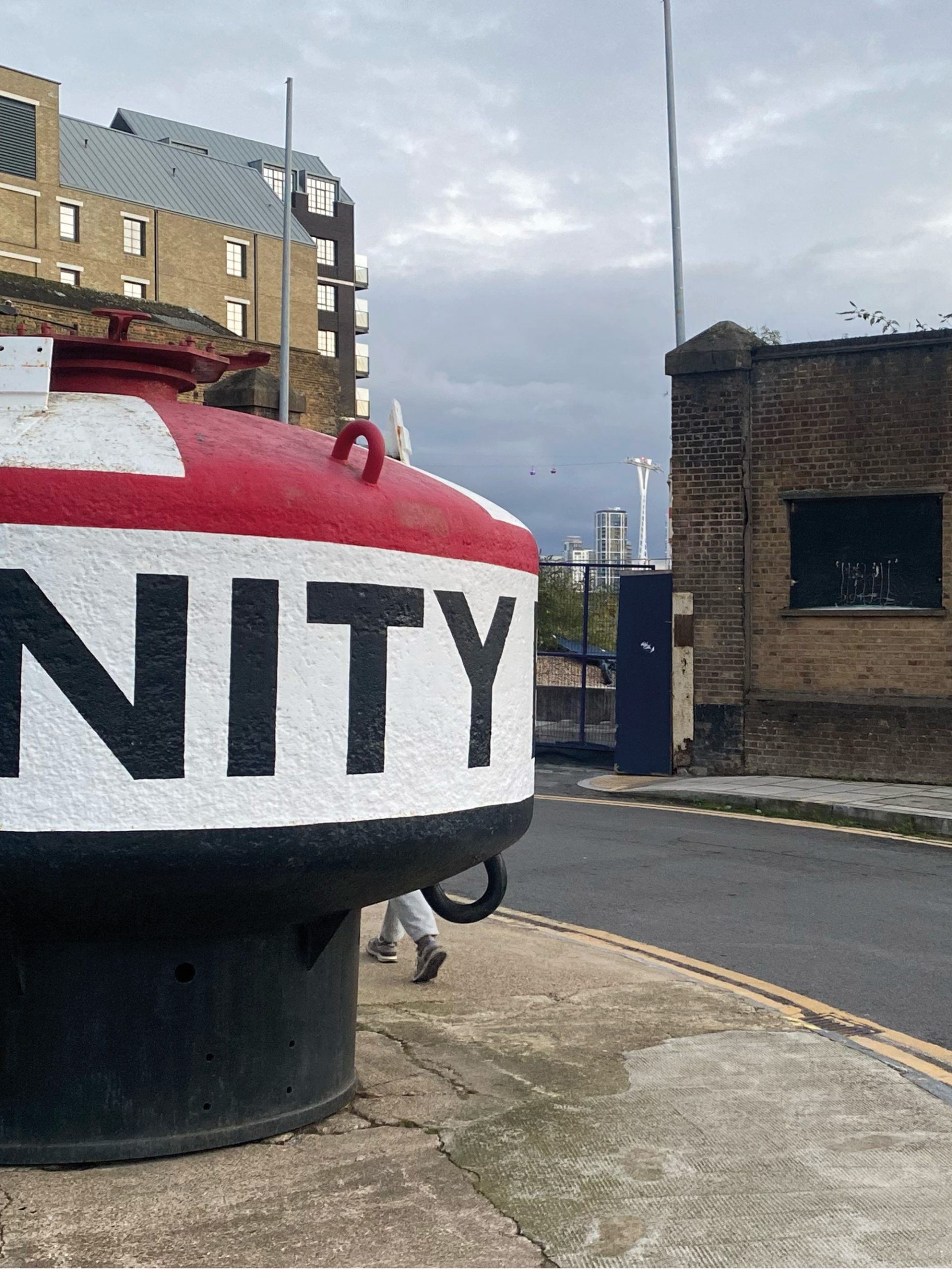
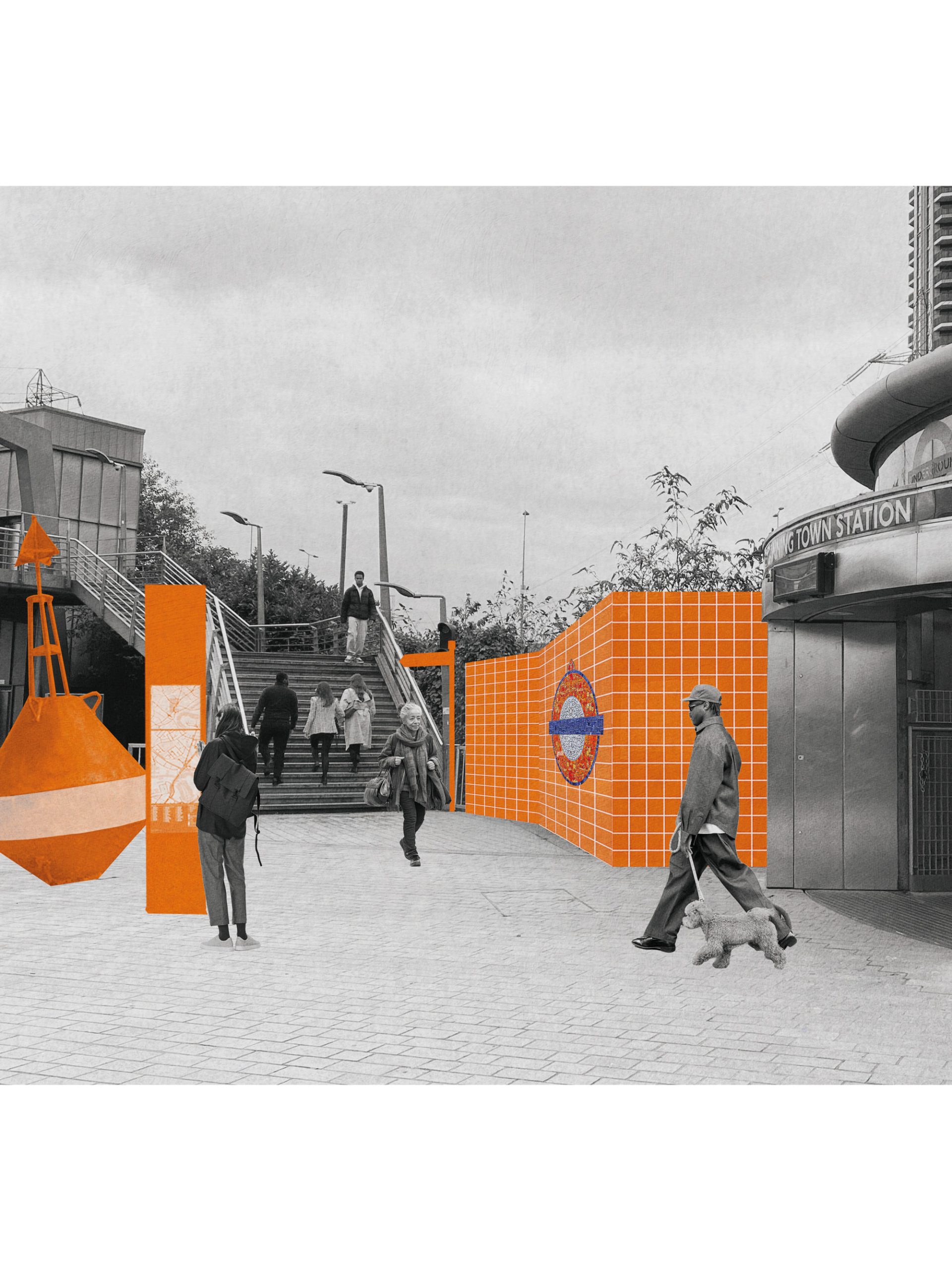
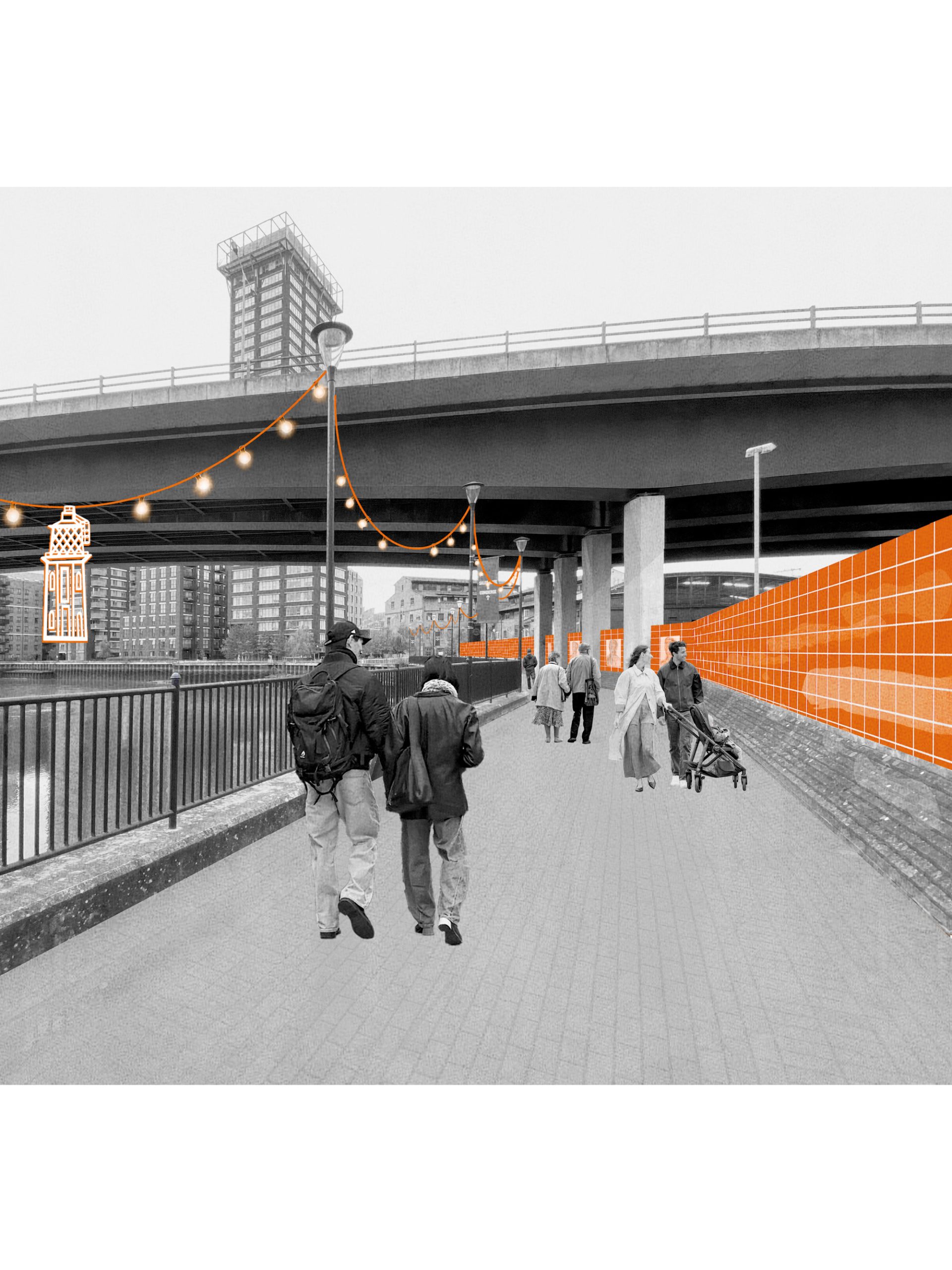
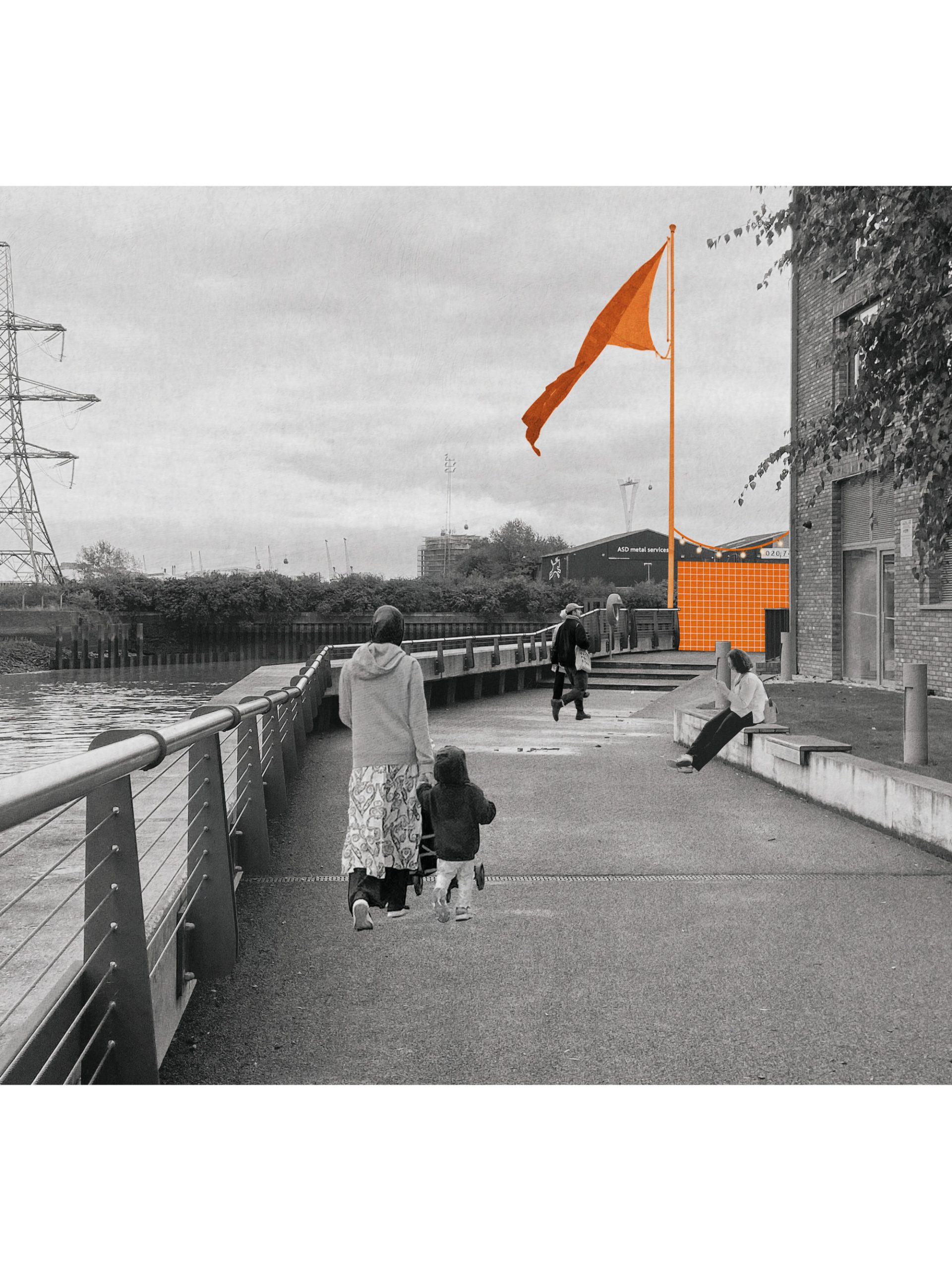
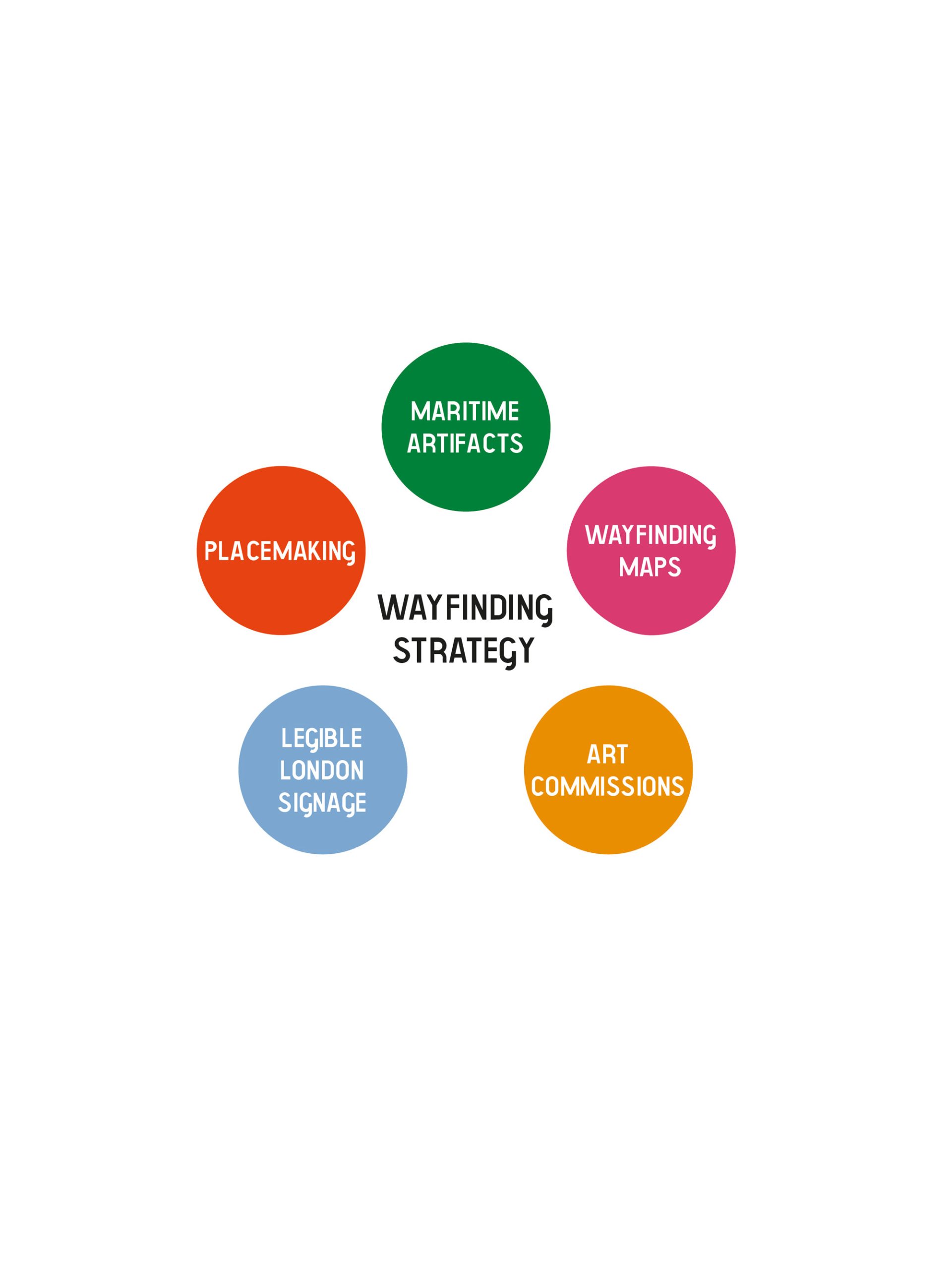
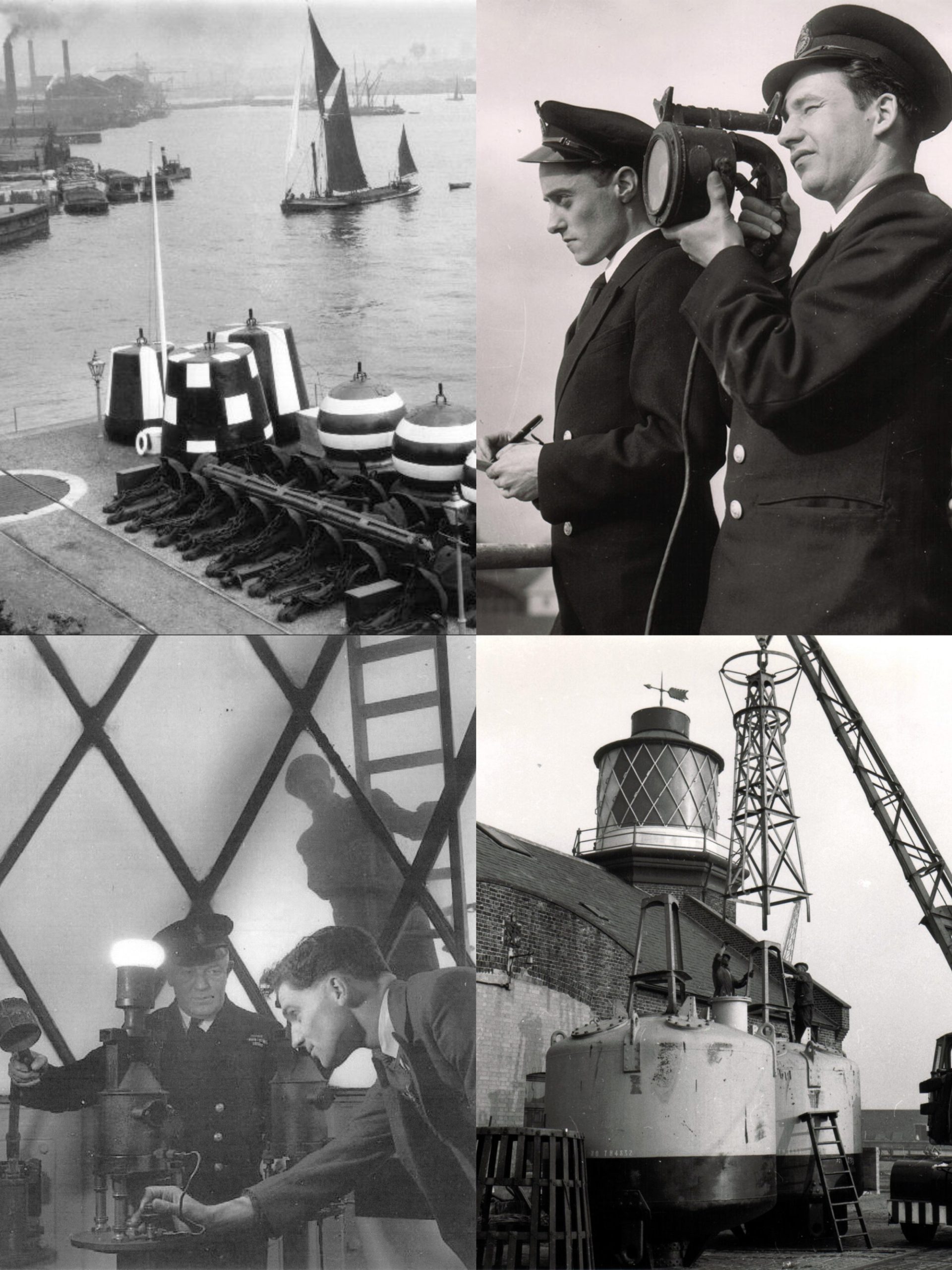
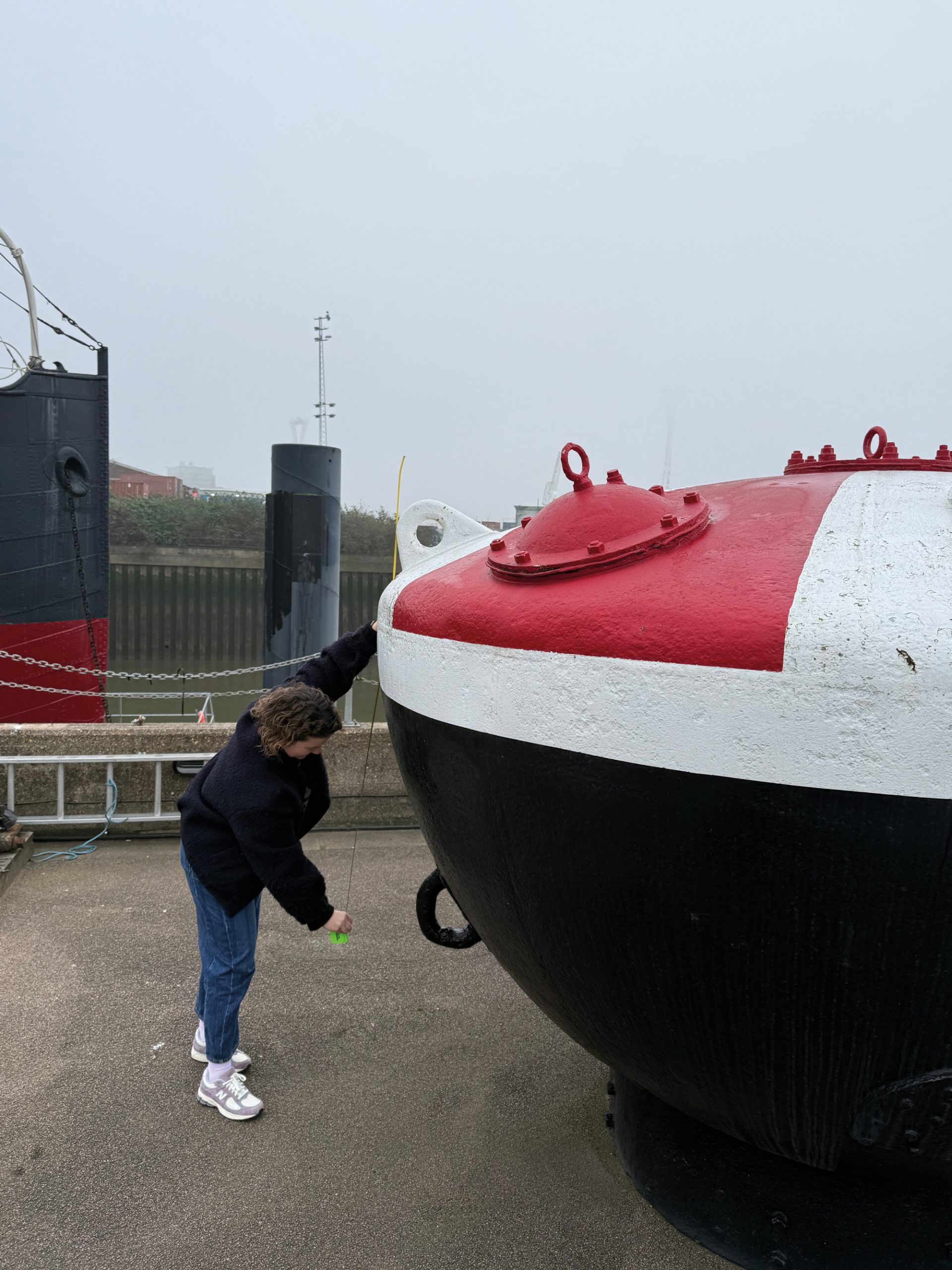
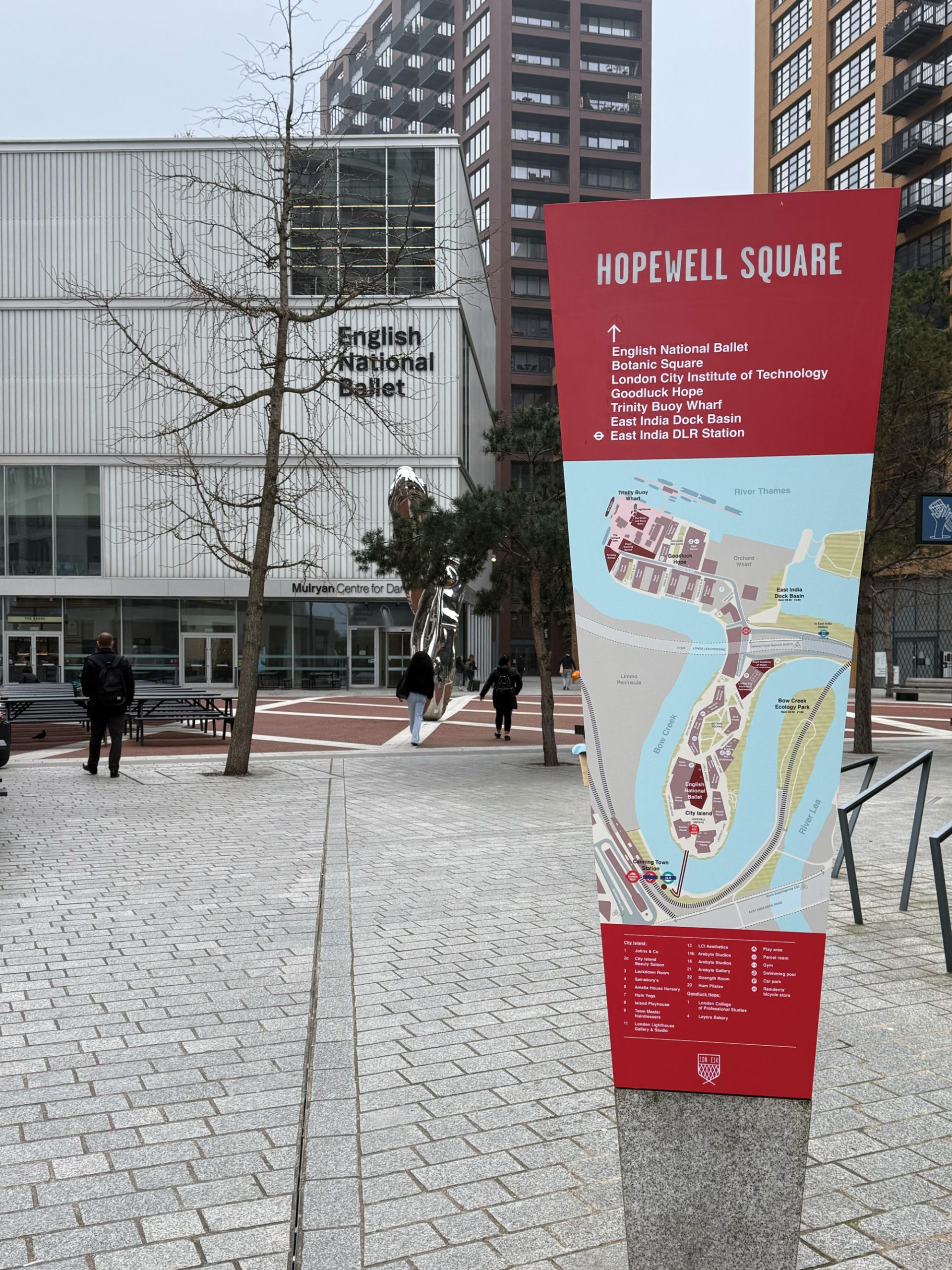
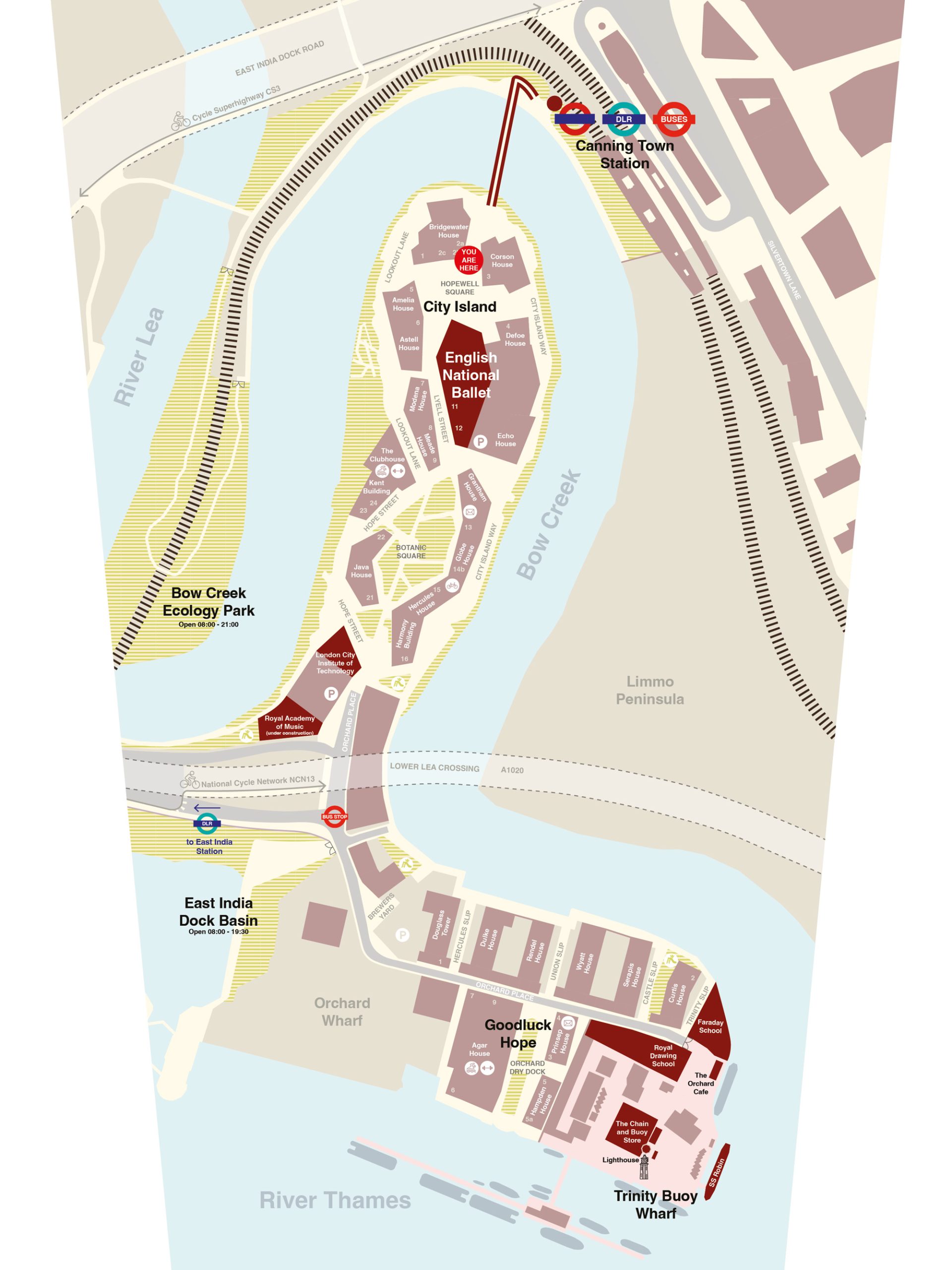
The holistic, multi-layered wayfinding strategy proposes a range of signage and placemaking improvements including Legible London signage, art commissions, lighting improvements and the display of historic maritime artefacts. We are currently working collaboratively with the area’s stakeholders to deliver several of the strategy’s projects, including the development of artist briefs for new art commissions and the selection of heritage nautical objects for display in the public realm. We have also designed replacement wayfinding maps for existing totems across City Island, and are currently working with LB Tower Hamlets on the delivery of new Legible London signage across the area. Guided by the framework set out in our wayfinding strategy, these ongoing work streams cumulatively improve the pedestrian experience across the Leamouth Peninsula.

1/17
Trinity Buoy Wharf wayfinding

Context Office was commissioned by the Trinity Buoy Wharf Trust to investigate opportunities for improved and imaginative wayfinding along routes through the Leamouth Peninsula to Trinity Buoy Wharf.

The area’s extensive development over recent years has impacted wayfinding and led to disjointed island sites and outdated signage, making it hard for visitors to find this vibrant creative arts hub. As part of the project, we engaged with stakeholders and neighbours including land owners, development teams, Transport for London, LB Tower Hamlets, LB Newham and local artists, to build partnerships and identify wayfinding and placemaking improvements that would be coherent and beneficial to the area as a whole.

The holistic, multi-layered wayfinding strategy proposes a range of signage and placemaking improvements including Legible London signage, art commissions, lighting improvements and the display of historic maritime artefacts. We are currently working collaboratively with the area’s stakeholders to deliver several of the strategy’s projects, including the development of artist briefs for new art commissions and the selection of heritage nautical objects for display in the public realm. We have also designed replacement wayfinding maps for existing totems across City Island, and are currently working with LB Tower Hamlets on the delivery of new Legible London signage across the area. Guided by the framework set out in our wayfinding strategy, these ongoing work streams cumulatively improve the pedestrian experience across the Leamouth Peninsula.